美国政府近期史无前例地将外汇干预与地缘政治目标明确挂钩,凸显了华盛顿正积极运用美元霸权来巩固盟友关系并推进外交利益。传统上用于稳定金融市场的货币互换协议,如今越来越被视为一种带有政治意味的特权与外交工具。这种将经济决策武器化的趋势,不仅打破了财政部与央行之间传统的界线,也让联准会面临巨大的政治压力,迫使其在维持独立性与配合国家战略目标之间寻找艰难的平衡。
随著金融火力成为地缘政治的重要筹码,全球货币影响力的竞争正日益加剧。中国正积极推动人民币的国际化,试图在波斯湾与拉丁美洲等地区扩展其经济与外交影响力,这促使美国更积极地利用其货币优势进行反制。在这个错综复杂的全球竞争中,联准会等主要央行必须谨慎拿捏专业审慎与政治考量之间的界线,唯有深刻体认并妥善发挥其全球角色的央行,才能在二十一世纪的影响力角逐中占据主导地位。(关键数字:21)
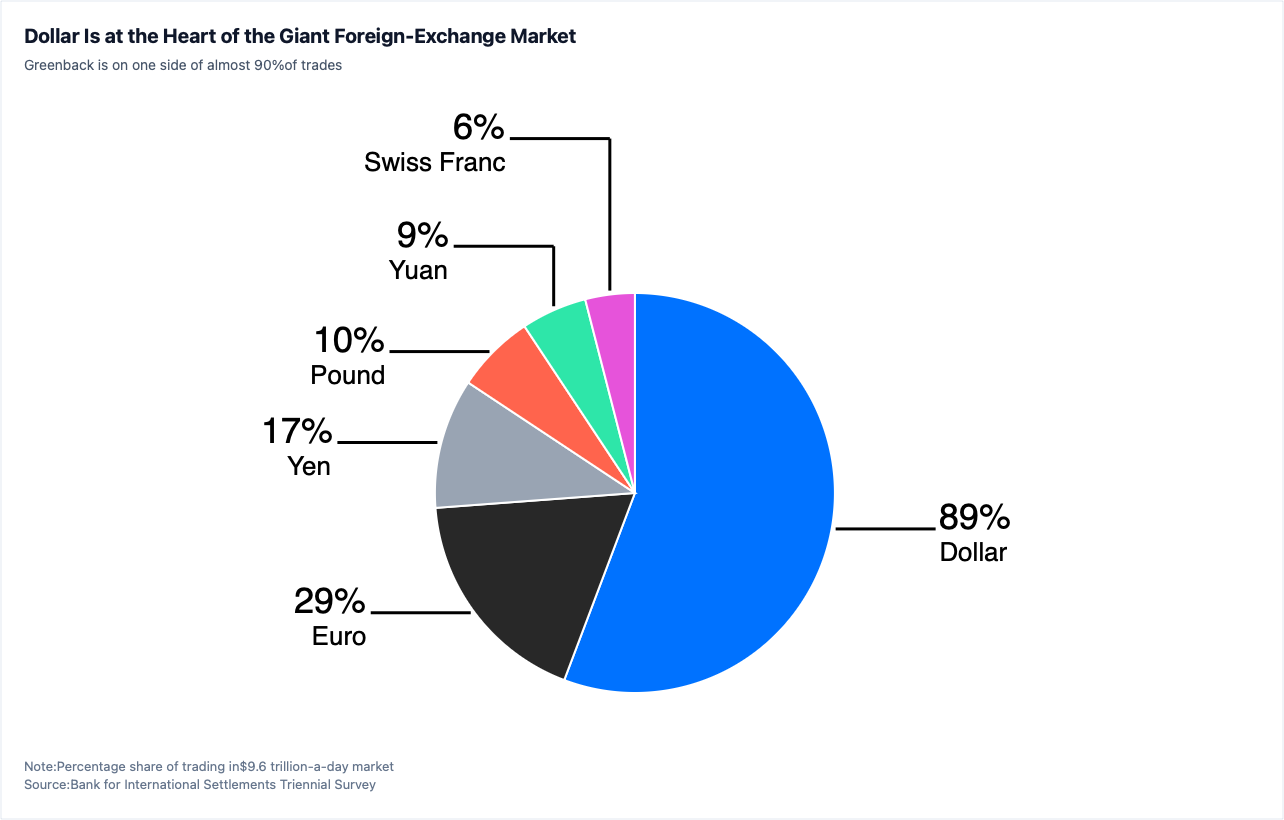
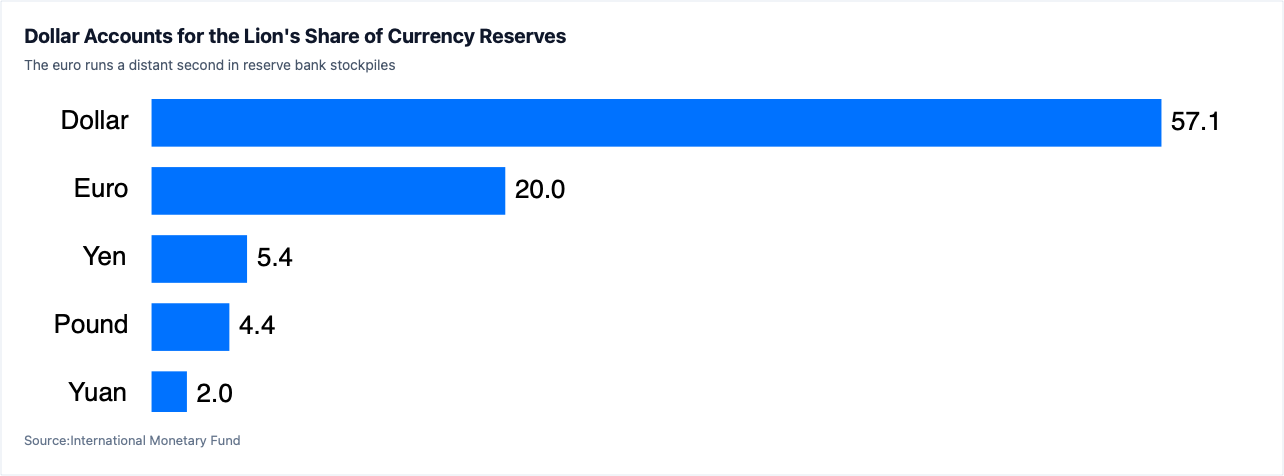
In the coming decades, the ability and willingness of central banks to act as forces for global stability will face frequent tests, with the US Federal Reserve likely confronting the most severe challenges. The Fed's credibility and independence largely underpin the dollar's central role in the global financial system; however, as lending, trade, and technology become increasingly entangled with geopolitics, monetary policy is inevitably being drawn into broader strategic issues such as national security and sanctions. Central banks must adapt to this new, contentious era of statecraft, as they have become critical players in shaping the future economic and geopolitical landscape.
The US administration's recent unprecedented linking of foreign exchange intervention with explicit geopolitical goals highlights Washington's active use of dollar supremacy to consolidate alliances and advance diplomatic interests. Currency swap lines, traditionally used to stabilize financial markets, are now increasingly viewed as a politically tinged privilege and a diplomatic tool. This trend of weaponizing economic decision-making not only blurs the traditional lines between the Treasury and the central bank but also places immense political pressure on the Fed, forcing it to find a difficult balance between maintaining its independence and aligning with national strategic objectives.
As financial firepower becomes a vital geopolitical prize, the global competition for monetary influence is intensifying. China is actively promoting the internationalization of the yuan, seeking to expand its economic and diplomatic reach in regions like the Gulf and Latin America, which in turn prompts the US to more aggressively leverage its monetary advantage for countermeasures. In this complex global rivalry, major central banks like the Fed must carefully navigate the line between professional prudence and political considerations; only those central banks that deeply recognize and adeptly manage their global roles will dominate the struggle for influence in the 21st century.