围绕柏崎刈羽核电站的争论已持续约50年;这座如今全球最大的核电站在2011年福岛灾难后停运,并在经历长期辩论后于今年重启。对当地商界而言,重启意味着恢复向全国供能的使命,但分歧始终没有消失。
这座电站仍是当地经济的关键支柱:约雇用6,000人,其中80%来自周边的新潟县。与核电站相关的税收和补贴在峰值时占柏崎市总收入的30%以上,如今仍占16%,显示其财政重要性虽已下降但依然显著。
与此同时,人口下滑凸显了另一种更缓慢的危机:柏崎市人口从1995年的逾100,000人降至2025年的不足75,000人,约减少四分之一。尽管政府实行免费托儿和儿童医疗补贴,外缘村落仍面临消失风险,说明东京的吸引力正在压过本地激励措施。
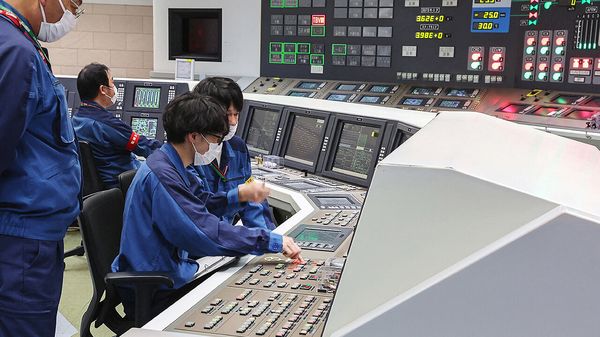
Debate over the Kashiwazaki-Kariwa nuclear plant has lasted roughly 50 years; the facility, now the world’s largest, was shut after the 2011 Fukushima disaster and restarted this year after prolonged argument. For local business leaders, the restart restores a mission of supplying energy to the country, but divisions have never fully disappeared.
The plant remains a core economic pillar: it employs about 6,000 people, with 80% drawn from the surrounding Niigata prefecture. Plant-linked taxes and subsidies once supplied more than 30% of Kashiwazaki’s total revenue and still provide 16%, showing that its fiscal weight has declined but remains substantial.
At the same time, population decline highlights a slower-moving threat: Kashiwazaki fell from over 100,000 residents in 1995 to under 75,000 in 2025, a drop of about one quarter. Even with free nurseries and subsidized child health care, outlying villages still risk disappearing, suggesting Tokyo’s pull is outweighing local incentives.
Source: Welcome to Kashiwazaki, home to the world’s largest nuclear plant
Subtitle: What one small city says about modern Japan’s development
Dateline: 3月 05, 2026 04:37 上午 | Kashiwazaki