2026年初,俄罗斯总统普京对美国一系列高风险行动几乎保持沉默,这种反常克制引发担忧。美国突袭委内瑞拉并带走总统马杜罗、公开宣称要夺取格陵兰、并对伊朗施压,均涉及俄罗斯盟友或核心安全叙事,但克里姆林宫未作实质回应。与此同时,俄乌战争在上周跨越关键节点,其持续时间已超过苏联参与第二次世界大战的时长,而这一象征性里程碑同样未被官方强调。
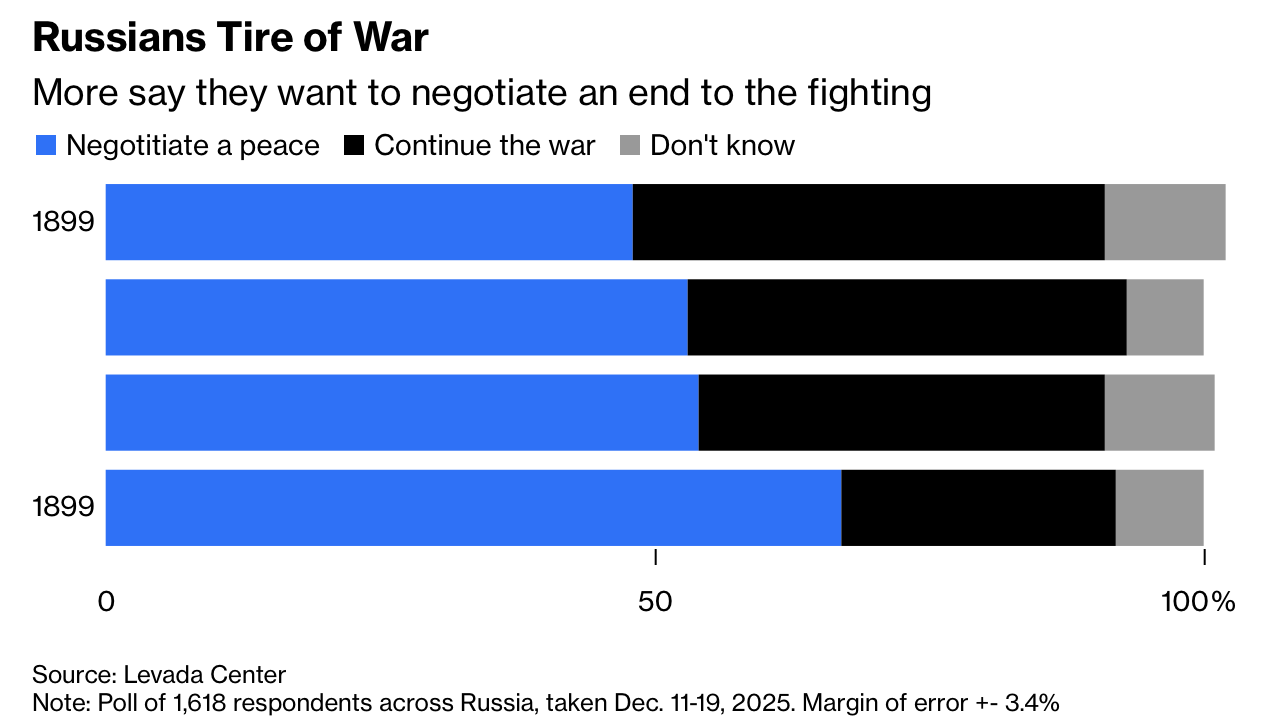
国内数据为普京的沉默提供解释。2023年的实地观察显示,俄罗斯社会中对西方的敌意与对斯大林的崇拜上升,但到2025年底,经济压力、通胀和阵亡人数增加削弱了战争热情。列瓦达中心在2025年12月11日至19日对1,618人调查发现,67%的受访者支持通过谈判结束战争,仅25%希望继续作战,这是入侵以来的最低值。尽管这不等同于反对普京,却明显限制了其公开升级战争叙事的政治空间。
在地缘政治层面,沉默也反映能力受限与战略算计。持续的乌克兰战争消耗了俄罗斯的全球行动力:2015年尚能军事介入叙利亚,2024年却只能撤离。若普京意在东欧建立势力范围,公开反对美国在西半球的扩张将削弱其立场。更可能的解读是,普京押注一项类似“雅尔塔”的交易:默认美国在其他地区的行动,以换取华盛顿在乌克兰问题上迫使基辅让步。这种前景将直接危及乌克兰的主权安全,并边缘化欧洲的角色。
At the start of 2026, Russian President Vladimir Putin has been conspicuously silent about a series of high-risk US actions, a restraint that is itself worrying. The US abducted Venezuelan President Nicolás Maduro, pledged to seize Greenland, and pressured Iran—each touching Russian allies or security narratives—yet the Kremlin offered no substantive response. At the same time, the war in Ukraine crossed a symbolic milestone last weekend, lasting longer than the Soviet Union’s participation in World War II, a fact that also went largely unremarked.
Domestic indicators help explain the silence. Field observations from 2023 showed rising hostility toward the West and renewed Stalin veneration, but by late 2025 economic strain, higher inflation, and mounting casualties had tempered enthusiasm. A Levada Center survey conducted December 11–19, 2025, of 1,618 respondents found 67% favored negotiating an end to the war, while only 25% wanted to continue fighting—the lowest share since the invasion began. This does not signal opposition to Putin, but it sharply narrows the political space for overt escalation.
Geopolitically, the restraint reflects constrained capacity and calculation. The Ukraine war has drained Russia’s ability to act elsewhere: in 2015 it intervened militarily in Syria; by 2024 it could only withdraw remaining forces. If Putin seeks a sphere of influence in Eastern Europe, openly challenging US moves in the Western Hemisphere would weaken his position. A plausible reading is that Putin is betting on a Yalta-style bargain—tacitly accepting US actions elsewhere in exchange for Washington pressuring Kyiv to concede—an outcome that would directly endanger Ukraine’s sovereignty and sideline Europe.