中国从特朗普对伊朗战争中获得战略优势,主要体现在对美国军事能力与资源分配的观察与利用。西方官员指出,北京正系统研究美军在伊朗战场的作战表现,并将相关数据纳入未来潜在台海冲突规划。美国将部分军事资源从印太调往中东,被视为削弱区域威慑的关键信号。同时,中国评估战争带来的经济与外交影响,但更倾向于利用美国注意力转移带来的结构性机会。
战争的量化特征进一步强化这一判断。美军在冲突初期消耗巨大:前6天支出约113亿美元,前72小时弹药价值约40亿美元,包括约400枚巡航导弹与800枚防空拦截弹。短短3周内,美方高成本拦截系统被用于应对低成本“见证者-136”无人机,暴露出资源错配与库存消耗加速的问题。此外,美国从日本调动最多2400名海军陆战队,并重新部署F-35战机与防空系统,显示其全球兵力调配压力上升。
地缘政治层面,美国对伊朗的投入被视为间接利好其他对手。俄罗斯因油价上涨与制裁缓解获益,而中国则观察到西方联盟内部资源分配的不平衡。一些中国评论者认为,美国全球战略呈现“优先级层级”,盟友被迫竞争有限资源。同时,中国国内对军队整肃仍在推进,显示其短期内未必具备立即行动能力,但持续通过外部冲突获取经验与数据,逐步优化自身战略位置。
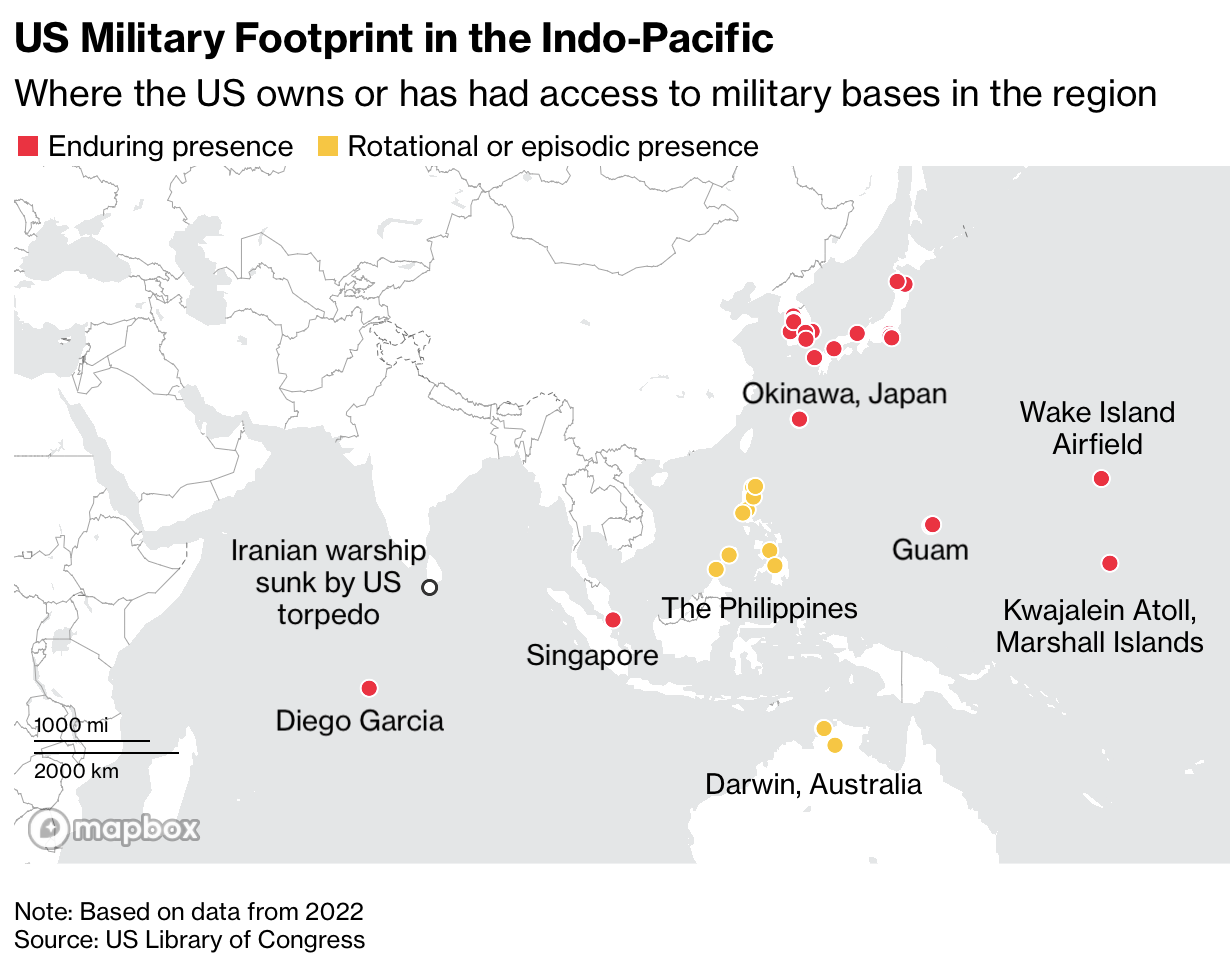
China is gaining strategic advantage from the US war with Iran by closely analyzing American military capabilities and resource allocation. Western officials indicate Beijing is systematically studying US battlefield performance and incorporating findings into potential Taiwan conflict planning. The redeployment of US military assets from the Indo-Pacific to the Middle East signals weakened regional deterrence. While China is still assessing economic and diplomatic impacts, it benefits from the structural opportunity created by diverted US attention.
Quantitative indicators reinforce this assessment. US military expenditure reached about $11.3 billion in the first 6 days, while munitions used in the first 72 hours were valued at roughly $4 billion, including about 400 cruise missiles and 800 air defense interceptors. Within 3 weeks, high-cost US interception systems were used against low-cost Shahed-136 drones, revealing inefficiencies and rapid stockpile depletion. Additionally, up to 2,400 Marines were redeployed from Japan alongside F-35 aircraft and air defense systems, indicating rising strain on US global force distribution.
Geopolitically, US engagement in Iran indirectly benefits other adversaries. Russia gains from higher oil prices and eased sanctions, while China observes imbalances in Western alliance resource allocation. Some Chinese commentators argue a hierarchical US strategy forces allies to compete for limited support. Meanwhile, China’s internal military purges suggest limited immediate readiness, but ongoing external conflict observation allows it to accumulate operational data and progressively improve its strategic position.