此外,许多创新方案也陆续展开测试与部署。例如 Seneca 公司推出了能利用红外线与 AI 定位热点并喷洒泡沫的自动无人机;Sonic Fire Tech 则利用低频次声波干扰氧气供应来灭火,为缺水情况下的灭火提供新选择。
虽然这些新技术和设备的初期建置与租赁成本十分高昂,但若能有效控制火势,避免火灾失控后产生更庞大的应急费用与灾损,这些投资将显得相当划算。随著无人自主技术的成熟,未来有望在野火蔓延前就将其扑灭。
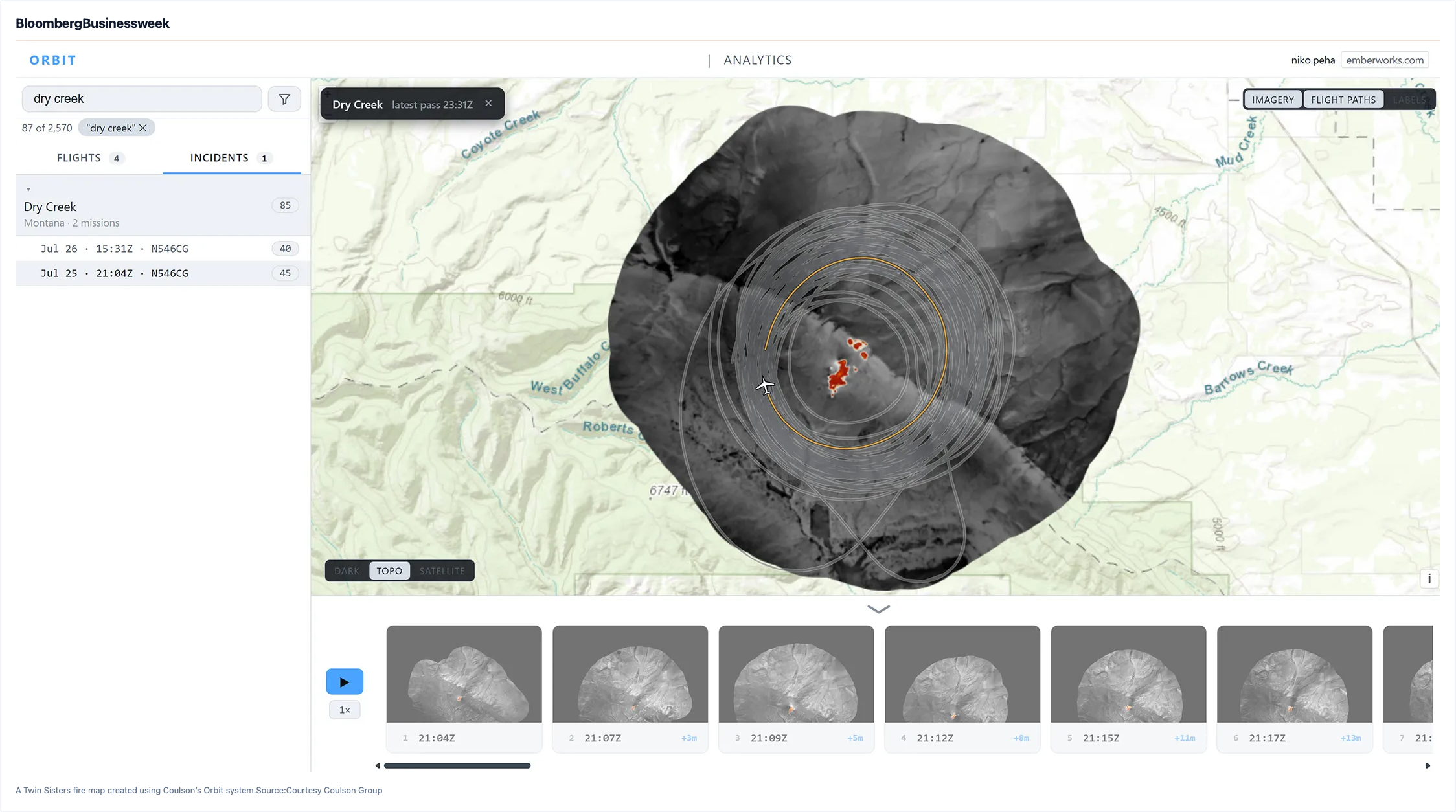
Exacerbated by climate change, wildfires have become increasingly frequent, prompting tech companies to invest hundreds of millions of dollars in new firefighting technologies. Inspired by devastating wildfires in his hometown and California, Max Brodie founded Rain Industries and partnered with Lockheed Martin's Sikorsky to develop AI-powered autonomous Black Hawk helicopters capable of locating and extinguishing fires.
Various innovative solutions are also being tested and deployed. For instance, Seneca has introduced autonomous drones that use infrared cameras and AI to locate hot spots and blast them with foam. Meanwhile, Sonic Fire Tech utilizes low-frequency infrasound waves to disrupt the fire's oxygen supply, providing an alternative firefighting method independent of water availability.
Although the initial installation and leasing costs for these new technologies and equipment are substantial, they can prove highly cost-effective by preventing fires from spiraling out of control and causing massive emergency expenses and damages. As autonomous technologies mature, there is hope that wildfires can be stopped in their tracks before they spread.