中国高端食品的扩张已被量化:其鱼子酱产量已超过全球总产量的五分之二,卡露伽皇后公司的产量从2015年的150吨增至2024年的260吨(约增长73%);中国已是全球最大的鲟鱼子酱和松露出口国,并正扩展到鹅肝、橄榄油、抹茶和精品葡萄酒,而国内与国际需求都在上升。
其成功的核心是效率指标:鲟鱼养殖始于本世纪初,在一个接近马耳他两倍大小的人工湖中将水温保持在5°C以下以实现全年生产;管道和无人机系统每天管理约20万条鲟鱼。传统方法需3年才能判定鱼的性别,而现在只需6个月,相当于周期缩短约83%,速度提升约6倍。
更广泛的竞争发生在一个价值接近5000亿美元的全球奢侈食品市场中:中国依托地理多样性在甘肃发展橄榄油、在宁夏发展葡萄酒、在贵州发展抹茶,并对日本这一最大抹茶生产国形成挑战。传统生产国通过标准编码和官方标识来守住份额,但顶级厨师采用中国产食材以及中欧地理标志清单新增临沧坚果、福州茉莉花茶、普洱茶与咖啡、金华猪肉等,显示市场认可度正在上升。
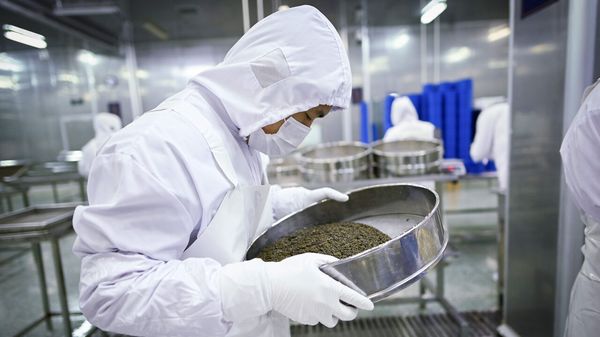
China’s premium-food expansion is now quantifiable: it produces more than two-fifths of global caviar, and Kaluga Queen’s output rose from 150 tonnes in 2015 to 260 tonnes in 2024 (about +73%); China is already the largest exporter of sturgeon caviar and truffles and is moving into foie gras, olive oil, matcha, and fine wine as both domestic and international demand increase.
Its edge is operational efficiency: sturgeon farming began around the turn of the century, water is kept below 5°C in an artificial lake nearly twice the size of Malta for year-round production, and a pipe-and-drone system manages roughly 200,000 fish daily. Sex identification fell from three years to six months, an approximately 83% cycle reduction and about a 6x speed gain.
This is unfolding inside a global luxury-food market worth nearly $500bn, where China’s geographic spread supports olive oil in sunny Gansu, wines in mountainous Ningxia, and matcha in humid, high-altitude Guizhou, directly pressuring Japan as the largest matcha producer. Incumbents are defending share through stricter codification and official marks, but acceptance is rising as elite chefs use Chinese products and EU geographical-protection listings expand to include Lincang nuts, Fuzhou jasmine tea, Pu’er tea and coffee, and Jinhua pork.
Source: China now fills the world’s luxury hampers
Subtitle: It is a leading producer of caviar, foie gras and truffles
Dateline: 2月 19, 2026 05:05 上午