一份1670年的羊皮纸特许状创建了哈德逊湾公司;它曾统治一片面积为神圣罗马帝国四倍、约覆盖现代加拿大三分之一的领地;12月11日法院批准以C$18m($13m)出售该文件,同时该公司仅存的25家门店租约在2025年的法庭拉锯后被交还给房东。 这场崩溃在距离其北方原始腹地约1,000km的地方上演。
哈德逊湾公司在1869年以£300,000(按今日约$50m)将“Rupert’s Land”卖给加拿大,原住民既未被征询也未分得收益;后来贸易站雇用年轻人,例如一名16岁的文员在Fort Simpson工作,该地在Yellowknife以西630km(390 miles)。 到2025年,破败门店相继关闭——Ottawa店的自动扶梯断电数月——清算甩卖甚至包括每个C$50的人体模特。
财务指标显示急剧收缩:销售额从2003年的C$7.3bn降至2025年1月的C$1.1bn(约下降85%),员工数从70,000降至6月清算时的9,000(约下降87%),线上购物掏空了百货门店。 现金仅剩C$3.3m而负债超过C$2bn(约为1:600),而标志性毛毯的怀旧需求在更广泛的主权焦虑中飙升。
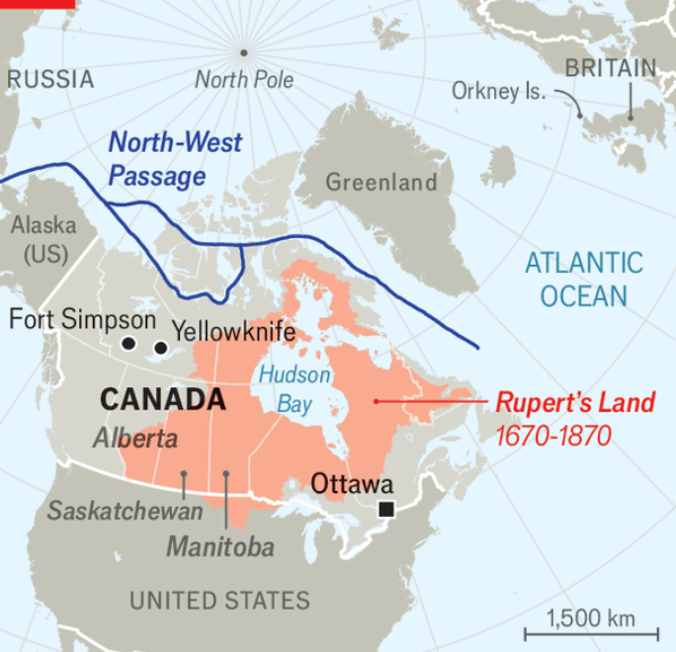
A 1670 vellum charter that created Hudson’s Bay Company, once ruling a territory four times the Holy Roman Empire and roughly a third of modern Canada, was approved for sale on Dec 11 for C$18m ($13m) as the firm’s last 25 store leases were returned to landlords after a 2025 court fight. The collapse played out about 1,000km from the company’s original northern heartland.
HBC sold “Rupert’s Land” to Canada in 1869 for £300,000 (about $50m today) while indigenous people received neither consultation nor proceeds, even as later trading posts employed young men such as a 16-year-old clerk in Fort Simpson, 630km (390 miles) west of Yellowknife. By 2025, shabby stores closed—Ottawa’s escalators were powerless for months—and liquidation sales included mannequins at C$50 each.
Financial metrics show a steep contraction: sales fell from C$7.3bn in 2003 to C$1.1bn by Jan 2025 (about an 85% drop), and headcount from 70,000 to 9,000 at the June liquidation (about an 87% drop), as online shopping hollowed out department stores. Cash shrank to C$3.3m against over C$2bn owed (roughly 1:600), while blanket nostalgia surged amid wider sovereignty anxieties.
Source: Canada’s first Christmas without the Hudson’s Bay Company
Subtitle: From fur-trading outpost to department-store giant, founding a country along the way
Dateline: 12月 30, 2025 09:04 上午 | Yellowknife