在最高法院于今年2月废除其关税政策的主要法律依据后,唐纳德·特朗普政府转向利用多项历史法律重塑关税体系。7月15日,美方依据1974年《贸易法》第301条对巴西特定商品加征25%的关税;7月20日,又动用1930年《斯穆特-霍利关税法》的闲置条款,对价值近200亿美元的加拿大商品加征50%的关税,虽然该关税推迟至8月19日生效,但涵盖了原本在《美墨加协定》(USMCA)下免税的商品。宾夕法尼亚大学沃顿预算模型显示,最高法院裁决前美国平均有效关税率为10%,裁决后降至7%,政府随后依据第122条加征的10%临时附加税将于7月24日到期。
美国贸易代表办公室(USTR)正准备分两阶段重新恢复高关税布局。第一阶段将针对被指控存在强制劳动问题的60个国家征收第301条关税,以在第122条到期后维持7%的有效关税率。第二阶段计划在今年晚些时候针对16个主要贸易伙伴的“结构性产能过剩”展开第301条调查并加征关税。法律分析指出,第301条赋予了贸易代表广泛裁量权,法院通常仅审查程序合规性而非行政事实本身,这使得新关税在法律层面具有极高的持久性。
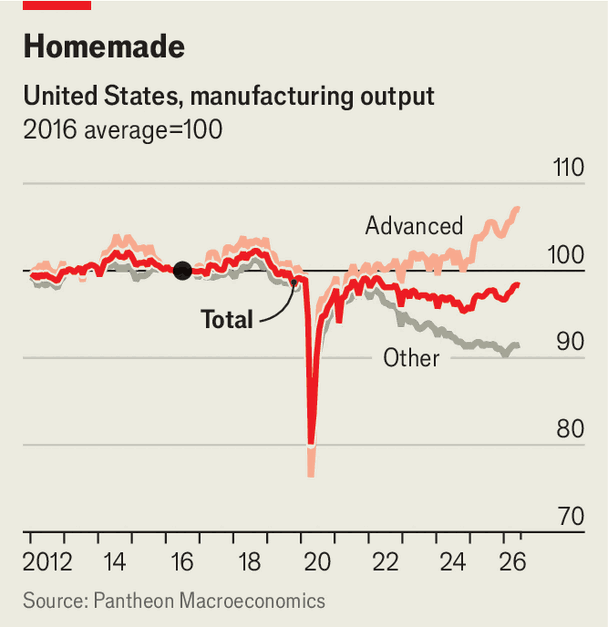
在经济影响方面,虽然第二季度美国制造业产出实现了4.6%的年化增长率(创2021年以来最快增速),采购经理人指数连续6个月显示扩张,但这一增长几乎完全由人工智能相关的先进制造业驱动。整体制造业用工自特朗普重新上任以来减少了约75000人,工厂建设支出从2024年近2500亿美元的年化峰值下降近三分之一至5月份的1750亿美元。此外,关税使消费者价格推高了约0.8%,且近半数受访企业计划将关税成本进一步转嫁给消费者。
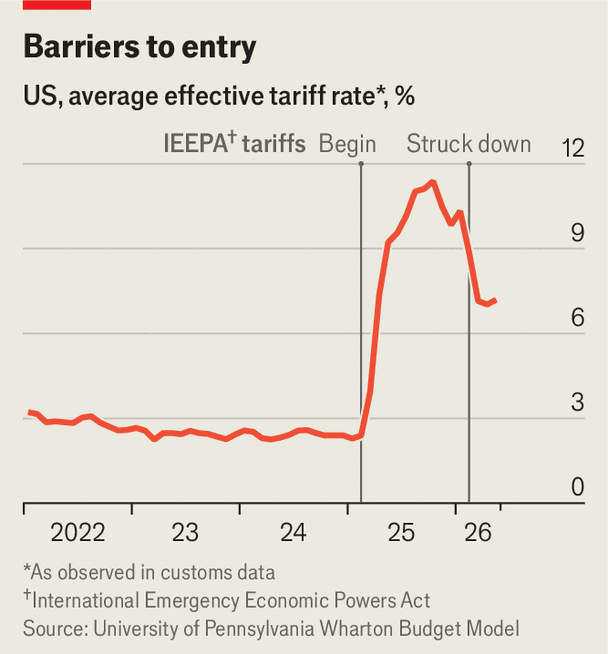
Following the Supreme Court's February ruling that invalidated key legal bases for Donald Trump's tariff policy, the administration adopted historic statutes to rebuild its trade measures. On July 15th, the US applied 25% duties on selected Brazilian imports under Section 301 of the Trade Act of 1974. On July 20th, the administration invoked the Smoot-Hawley Tariff Act of 1930 to slap 50% tariffs on nearly $20 billion of Canadian goods, scheduled to take effect on August 19th. According to the Penn Wharton Budget Model, the effective average US tariff rate fell from 10% before the court ruling to 7% today, with a temporary 10% Section 122 surcharge set to expire on July 24th.
The Office of the United States Trade Representative (USTR) plans a two-stage reincarnation of these trade levies. First, the USTR will introduce Section 301 forced-labor tariffs targeting 60 countries, maintaining the effective tariff rate at approximately 7%. Second, the USTR plans to launch Section 301 investigations into "structural excess capacity" targeting 16 major trading partners to impose higher country-specific duties. Legal experts note that Section 301 grants broad administrative discretion, with courts focusing primarily on procedural compliance rather than underlying foreign practices.
Regarding economic outcomes, while Q2 manufacturing output expanded at a 4.6% annualized rate—its fastest since 2021—and purchasing manager surveys showed 6 consecutive months of expansion, growth remained concentrated in AI-driven advanced manufacturing. Traditional manufacturing employment declined by roughly 75,000 jobs under the current administration, while factory construction spending dropped nearly one-third from its annualized peak of almost $250 billion in 2024 to $175 billion in May. Additionally, Harvard Business School Pricing Lab data indicates tariffs raised consumer prices by about 0.8%, with nearly 50% of tariff-paying firms planning further cost pass-throughs.
Source: Donald Trump is adept at reviving levies. Achieving their goals is harder
Subtitle: [[IMAGE]]
Dateline: Jul 23rd 2026