政权更迭常被视为经济转折点:在长期财政失序、价格管制与国家衰败之后,美国推翻尼古拉斯·马杜罗后,近七成委内瑞拉人相信未来一年生计会改善,但经济结果通常比政治冲击更慢调整。1990年代的跨国研究曾发现频繁更换政府与更慢增长相关、革命与政变往往伴随更弱投资(因侵蚀产权),但相似冲击的结果差异巨大,从俄罗斯在1990年代初的崩溃到韩国(1987年后)与波兰(1989年后)的反弹。
关键差别不在于是否民主,而在于“规则已真正改变且会持续”的可信锚是否建立;不确定改革能否长久会抑制投资,而稳定预期可支撑增长。塞尔维亚在2000年10月最典型:此前五年通胀年均接近50%,随后五年下降一半以上,增长年均超过6%,早期改善主要来自对新规则将长期存在的信念。
对比之下,突尼斯2011年革命后虽有竞争性选举与宪法,但通过更高支出与扩张公共工资单来购买平静、推迟补贴与国企等改革,到2018年公众对政府的信任下降了一半,青年失业这一核心不满几乎未动。利比亚2011年后国家坍塌并内战,产出随石油生产起落、投资蒸发;因此教训是只有当权威、执行与持久性清晰到足以支撑合同与投资时,政治裂变才会带来可持续的经济改善。
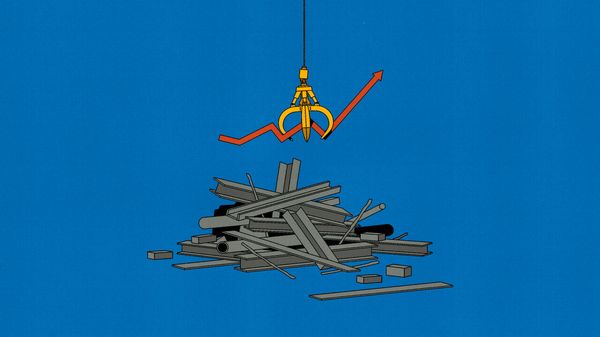
Regime change is often treated as an economic turning point: after years of fiscal indiscipline, price controls, and state decay, nearly seven in ten Venezuelans expect livelihoods to improve over the next year, yet economic outcomes usually adjust more slowly than political shocks. Cross-country work in the 1990s linked frequent government change to slower growth and revolutions/coups to weaker investment via eroded property rights, but similar shocks produced widely different results, from Russia’s early-1990s collapse to rebounds in South Korea after 1987 and Poland after 1989.
The decisive mechanism is credibility that the rules have truly changed and will endure; uncertainty about reform longevity deters investment, while stable expectations can sustain growth. Serbia in October 2000 is the clearest case: inflation averaged almost 50% a year in the prior five years, then fell by more than half in the next five, as growth averaged over 6% a year and early gains came largely from belief that the new rules would last.
Tunisia after 2011 shows the opposite: despite elections and a constitution, governments raised spending and expanded the public payroll while delaying harder reforms, and by 2018 trust in government had fallen by half as youth unemployment barely moved. Libya after 2011 shows the most destructive path—state collapse and civil war made output swing with oil and investment evaporate—reinforcing the lesson that political rupture boosts long-run performance only when it establishes a credible anchor about who sets the rules, how they are enforced, and how long they will hold.
Source: The economics of regime change
Subtitle: Lessons from history for Venezuela and Ira
Dateline: 1月 15, 2026 07:53 上午