俄罗斯民众的焦虑感正达到自2022年首次动员以来的最高点。根据与克里姆林宫关系密切的民调机构公共舆论基金会(FOM)于7月2日发布的数据,55%的受访者表示其同事和亲属感到焦虑,而去年这一比例为40%。曾经局限于库尔斯克和别尔哥罗德等边境城市的无人机袭击,现在已威胁到俄罗斯大部分地区,包括7月6日遭到乌克兰无人机袭击的、距离前线约2500公里的俄罗斯最大炼油厂鄂木斯克炼油厂。这种局势切断了原本让公民远离政治的社会契约,前往克里米亚等避暑胜地的列车空空如也,取而代之的是弥漫在火车站的忧虑情绪。
无人机袭击引发了全国性的燃料危机,迫使各地实行汽油配给制。司机们需要排队两到三个小时才能购买到20至30升的每日限额汽油,而克里米亚和新罗西斯克等地区已禁止向零售客户出售汽油,仅允许政府官员和特定商户加油。燃料短缺已波及物流和食品供应链,6月份土豆价格环比上涨了4.5%,部分农民甚至警告如果缺油持续将无法收割庄稼。公众情绪正从挫败感转化为对当局的强烈仇恨,人们对克里姆林宫宣称的“俄军全线稳步推进”与战线实际陷入停滞的巨大反差感到愤怒,越来越多的普通人开始渴望停止敌对行动。
与此同时,关于秋季进行新一轮动员的传言愈演愈烈,尤其是在奔萨地区,当地频繁发生征兵人员在街头和挨家挨户抓人并强迫其签署服役合同的事件,导致许多男性闭门不出,出境移民的讨论也达到2022年以来的最高潮。公开的异见和反抗声音也开始浮现,一名退伍士兵在社交媒体上发布视频,指控指挥官对拒绝交出收入或执行自杀式任务的士兵实施酷刑甚至将其杀害,并警告若问题不解决军队将倒戈指向克里姆林宫。该视频在被捕前获得了2000万次播放,反映出从前线士兵到街头商贩对普京政府及其战争意图的普遍不满与抗拒。
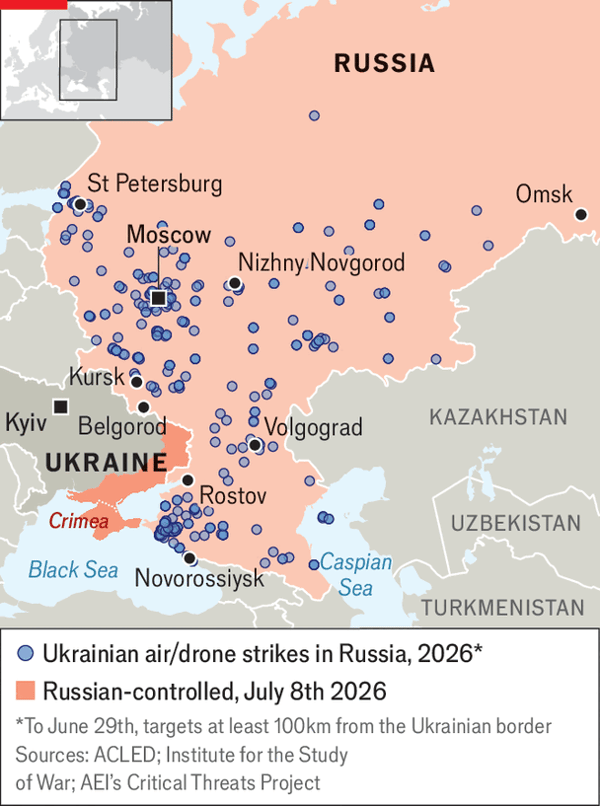
Public anxiety in Russia has reached its highest level since the initial mobilization of reservists in 2022. According to a survey published on July 2nd by the Kremlin-linked Public Opinion Foundation (FOM), 55% of respondents reported that their colleagues and relatives felt anxious, up from 40% the previous year. The war has directly reached the Russian homeland, highlighted by Ukrainian drone strikes on strategic targets like Russia’s largest oil refinery in Omsk, located 2,500 kilometers from the front line, on July 6th. This domestic escalation has disrupted the traditional social contract of political passivity, leaving southbound trains to Crimea spookily empty while train stations are filled with military personnel and anxious families.
The drone campaign has triggered a severe fuel crisis, resulting in strict petrol rationing across Russia. Motorists routinely wait two to three hours to purchase a maximum daily allowance of 20 to 30 liters, while authorities in Crimea and Novorossiysk have banned retail petrol sales entirely, reserving fuel for officials and public services. These shortages are disrupting logistics and driving up food prices, with potato prices rising 4.5% in June, prompting warnings from farmers about unharvested crops. Consequently, public sentiment is shifting from frustration to anger toward the authorities, exacerbated by the stark contrast between the Kremlin's optimistic rhetoric and the realities of a bogged-down conflict.
Fears of a new autumn mobilization have intensified, reinforced by reports of door-to-door recruitment sweeps in the Penza region, which have prompted men to hide indoors and reignited discussions about emigration. Open dissent is also becoming more visible; a video by a former soldier alleging that troops are tortured or killed by commanders for refusing suicide missions gathered 20 million views before his arrest. The clip warned that the military might turn its weapons on the Kremlin, indicating that from soldiers to local merchants, there is a growing lack of understanding regarding the purpose of the war and rising resentment toward Vladimir Putin's administration.
Source: Russians are growing anxious and angry
Subtitle: The war has come home and is everyone’s problem
Dateline: Jul 09, 2026 05:22 AM | MOSCOW AND ROSTOV