在悉尼,一名12岁男孩因与公牛鲨咬伤相符的腿部伤势死亡,而他的事件是该市及周边在48小时内4起袭击激增的一部分,并引发了大规模海滩关闭。这个集中度意味着在该时间窗内大约每12小时就有1起袭击,远高于正常背景风险。
在全国范围内,澳大利亚的鲨鱼咬伤数量位居全球第二,仅次于美国,2010年至2022年年均22起咬伤,而且大多数事件并不致命。即便如此,死亡人数也会激增,2020年创纪录地有8人死亡,这凸显出的是逐年波动的模式,而不是稳定趋势。
专家将今年悉尼的这次聚集描述为在两个维度上都前所未有——地理接近性和时间接近性——一名研究者称他在20年里从未见过这种模式。该聚集发生在悉尼自1988年以来最潮湿的一天之后,这支持了相关证据:风暴径流和浑浊水体会增加遭遇概率,而防鲨网的作用仍有限,尤其是在高能海滩和强降雨期间,因此在气候变暖和极端天气加剧之际,风险管理越来越依赖风暴前后行为改变。
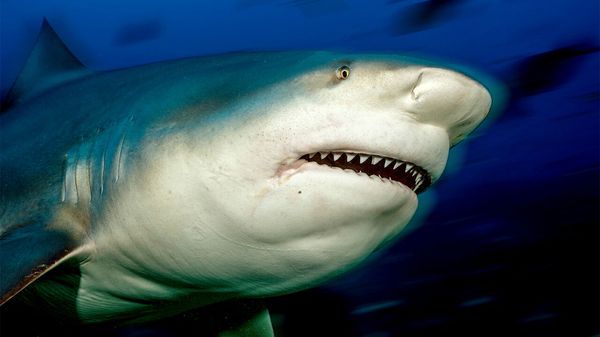
In Sydney, a 12-year-old boy died after leg injuries consistent with bull shark bites, and his case was part of a spike of four attacks in and around the city within 48 hours that triggered mass beach closures. The concentration implies roughly one attack every 12 hours during that window, far above normal background risk.
Nationally, Australia ranks second worldwide for shark bites after the United States, averaging 22 bites per year from 2010 to 2022, and most incidents are non-fatal. Even so, fatalities can surge, as shown by a record eight deaths in 2020, highlighting a volatile year-to-year pattern rather than a steady trend.
Experts describe this year’s Sydney cluster as unprecedented in two dimensions—geographic proximity and timing—with one researcher saying he had not seen such a pattern in 20 years. The cluster followed Sydney’s wettest day since 1988, supporting evidence that storm runoff and murky water can increase encounters while netting remains limited, especially at high-energy beaches and during heavy rain, so risk management increasingly depends on behavior changes around storms as climate warming and extreme weather intensify.
Source: A nasty spate of shark attacks in the Sydney area
Subtitle: Is global warming to blame?
Dateline: 2月 19, 2026 04:17 上午 | SYDNEY