自以色列与美国几乎在一个月前开始打击伊朗以来,真主党又恢复了对以色列的导弹和无人机袭击,导致以军“空地一体”行动死亡人数已超过1,000人。与此同时,约1,000,000名黎巴嫩平民被迫流离失所,主要来自南部和贝鲁特郊区的什叶派,显示冲突正由阶段性报复升级为更大规模的人道危机。
十月2023年上一轮冲突中,以色列在边境附近撤离了数万名平民并维持了超过一年;而这轮以“不给任何社区被长期置于无人机死亡区”为由,改为不再大规模撤离而是争取长期控制。3月24日,国防部长宣布要控制剩余桥梁并掌握至利塔尼河的安全区(该河在以色列边界以北约20英里),加上对利塔尼河上8座桥的打击,意味着可能控制约占黎巴嫩国土十分之一。
黎巴嫩内部正因是否强硬对抗真主党而进一步撕裂,基督教区对继续接纳流离失所者更趋排斥,而政府虽宣称其军事活动非法并驱逐伊朗大使,军方却以未有停火为由拖延执行。随着更多平民伤亡与长期占领预期上升,更多尤其是什叶派民众可能转向真主党,这将削弱政府此前“摧毁该组织”承诺并延长冲突预期。
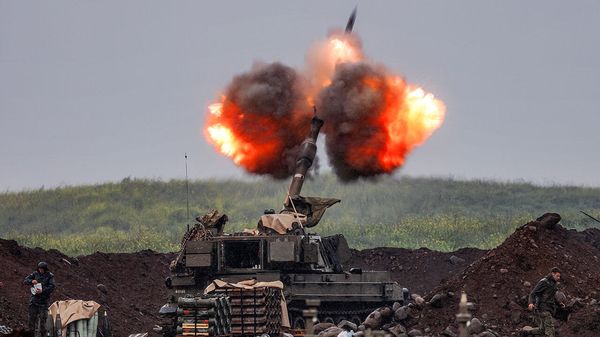
Since Israel and the US began strikes on Iran almost a month ago, Hizbullah resumed missile and drone attacks on Israel, and the IDF's air-ground campaign has now killed more than 1,000 people. At the same time, around 1,000,000 Lebanese civilians have been displaced, mainly Shia from the south and Beirut’s suburbs, indicating the war is shifting from episodic retaliation to a broader civilian crisis.
In the previous round in October 2023, Israel evacuated tens of thousands near the border for more than a year, but this time it has shifted to not evacuating civilians while aiming at longer-term control instead. On March 24, Defense Minister Israel Katz said Israeli forces would hold the remaining bridges and a security zone up to the Litani River, about 20 miles north of the border, and IDF strikes on eight Litani bridges imply control of nearly one-tenth of Lebanon.
Lebanon’s internal divide is widening over how forcefully to confront Hizbullah, with Christian neighborhoods increasingly turning away the displaced, while the government has declared Hizbullah’s military activity illegal and expelled the Iranian envoy yet the army has stalled on implementing a three-week-old ruling. As civilian deaths and occupation risk rise, more people—especially Shia—may rally to Hizbullah, weakening the state’s pledge to crush the group and increasing the likelihood of a protracted conflict.
Source: How long will Israel stay in Lebanon?
Subtitle: The threat of another occupation is tearing at the fabric of Lebanese society
Dateline: 3月 26, 2026 04:45 上午 | Beirut and Shlomi