中国驻大阪总领馆及中国外交部以“砍掉肮脏的脖子”“头破血流”等激烈措辞回应高市早苗关于台湾的表述,同时《解放军报》声称“全国可能成为战场”。尽管北京指责东京“极端威胁”,日本公众对这种语言已高度脱敏,社交媒体大量嘲讽中国官方言论。民调显示,高市本已处于历史高位的支持率进一步上升,即便民意仍在是否应介入台海事件上存在分裂。中国此前对石破茂的“魅力攻势”与中国品牌在日流行的趋势因此受到冲击。
局势为高市推进议程提供条件,包括对外国人购地的审查以及可能重新触及靖国神社参拜议题。她已开始与日本“三非核原则”保持距离,而防卫大臣小泉进次郎提出应比照韩国发展核潜艇。伴随北京强硬措辞,日本与美国靠拢加速,美国大使公开强化安保承诺。尽管部分外媒以“口水战”“升级争端”方式并列报道,但敌意几乎单向来自北京,使高市这一常被指为“激进”或“右翼”的领导人显得更为温和理性。
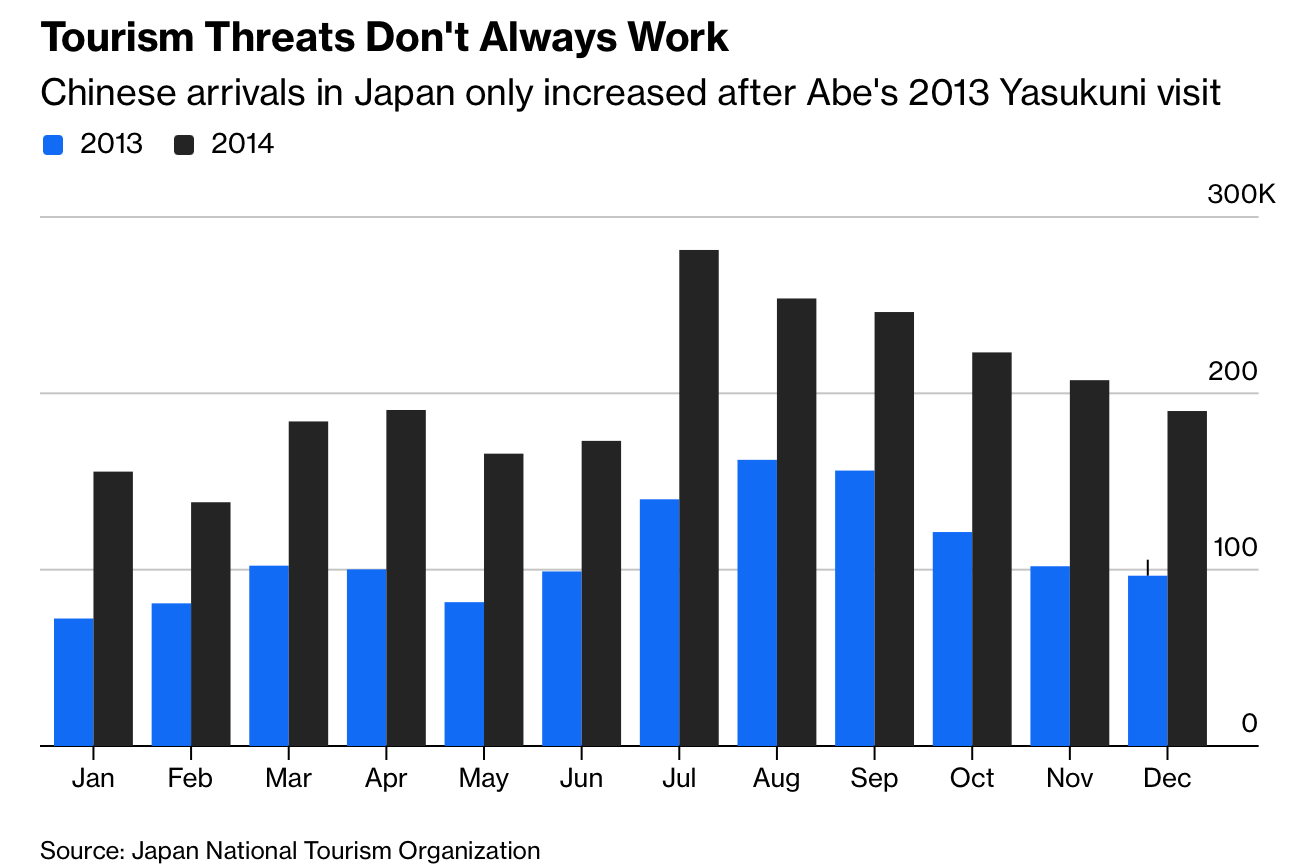
经济影响目前集中在旅游层面,中国是日本第二大客源国,但历史数据表明威胁未必有效:2013年安倍参拜靖国后,中国访日人数仍持续上升。即便北京如中韩争端时期那样利用旅游限制,时机也恰逢日本承受访客激增压力。若中国转向贸易报复则风险更大。过度激进的做法使北京难以体面退出,反而帮助高市塑造其任期早期的政治重心。
China’s consul general in Osaka and its Ministry of Foreign Affairs used threats such as “slice off her filthy neck” and “heads smashed and left covered in blood” in response to Prime Minister Sanae Takaichi’s remarks on Taiwan, while the PLA Daily warned the “entire country risks becoming a battlefield.” Despite Beijing accusing Tokyo of “extreme” rhetoric, Japanese society has become desensitized, with netizens mocking China’s statements. Polling shows Takaichi’s already high approval ratings have risen further, even though opinions remain divided on intervention in a Taiwan crisis. China’s prior charm offensive toward Shigeru Ishiba and rising popularity of Chinese brands now face sharp reversal.
The confrontation strengthens Takaichi’s ability to advance her policy goals, including tightening scrutiny on foreign land purchases and potentially revisiting a Yasukuni Shrine visit. She has begun distancing herself from Japan’s Three Non-Nuclear Principles, while Defense Minister Shinjiro Koizumi has floated acquiring nuclear submarines as South Korea plans to do. Beijing’s threats are pushing Japan closer to Washington, with the U.S. ambassador reaffirming defense commitments. Although some English-language reporting frames events as an “escalating spat,” hostility is overwhelmingly one-sided, making Takaichi — often labeled “radical” — appear comparatively reasonable.
Economic attention centers on tourism, with China the second-largest source of visitors, yet past data show coercion may fail: after Abe’s 2013 Yasukuni visit, Chinese arrivals rose. Even if Beijing turns to tourism pressure as in the mid-2010s Korea dispute, timing aligns with Japan’s struggle to manage visitor surges. A greater threat would be trade restrictions, which China has used before. Beijing’s overreach leaves little room for de-escalation and is, paradoxically, helping Takaichi define her early premiership.