文章认为当前伊朗危机已从谈判滑向“以极限施压”为主的对抗:伊朗封锁霍尔木兹海峡并把美国汽油推高至每加仑4美元后,特朗普采取了高压和催促时限式表态——3月30日声称与伊朗“有重大进展”,同时扬言将彻底摧毁伊朗发电站甚至海水淡化厂;3月31日又预言两到三周内结束战争,并表示海峡问题将由其他国家处理。白宫随后承诺4月1日给出“重要更新”,显示其持续把市场情绪当作策略核心。
经济压力正在快速上升:经合组织估计,若冲突长期化,明年全球GDP可能被拖累0.5%,通胀再抬高0.9个百分点,而五角大楼正在请求再追加2000亿美元,另有肥料供应受阻可能加剧全球饥荒风险。伊朗据称仅放行少量油轮,并对每艘船收取约200万美元费用,这种被称为“阿亚图拉关税站”的做法有违自由航行原则,且可能被其他交战方复制。
美国国内民意支撑明显不足:62%反对地面战争,支持者仅14%,只有22%认为战争让更安全,《经济学人》测算特朗普净支持率为-20,直接压缩其谈判回旋空间。尽管其15点要求清单要求伊朗交出高浓缩铀和远程导弹以换取停火承诺,但美国此前撕毁了奥巴马时期与伊朗的协议,并在定于谈判前就批准空袭,3月27日又有一支海军陆战队远征部队进入海湾,前官员警告只要他“留下来就会升级”,可能演变为夺取霍拉格岛油码头或更深入的突袭。
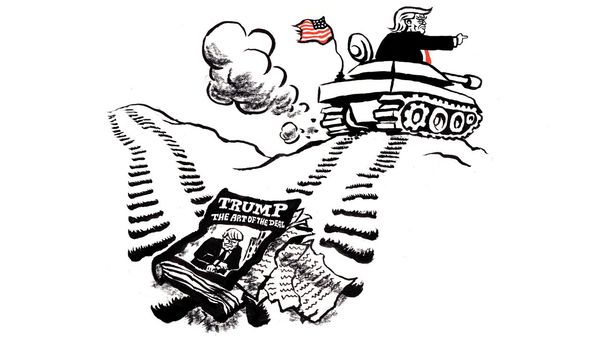
The article argues the current Iran crisis has shifted from negotiation toward brinkmanship. After Iran blocked the Strait of Hormuz and pushed U.S. gasoline near $4 a gallon, President Trump moved to high-pressure, deadline-driven rhetoric: on March 30 he said there was “great progress” and threatened to destroy Iran’s power stations and even desalination plants, then on March 31 said war could end in two to three weeks while suggesting the strait was for others to handle. A White House promise of an “important update” on April 1 reinforced a strategy centered on market optics.
Economic pressure is already rising: the OECD estimates a prolonged conflict could shave 0.5% from next year’s global GDP and add 0.9 percentage points to inflation, while the Pentagon is seeking another $200 billion and indirect fallout could worsen fertilizer shortages and global hunger. Iran has reportedly allowed only a few tankers through and charged about $2 million per ship, an “Ayatollbooth” model that appears to normalize coercive shipping tolls and could be copied by other belligerents.
Domestic support is fragile, with 62% opposing a ground war, only 14% favoring it, and only 22% saying the war makes them safer; The Economist also puts Trump’s net approval at -20. Although he has presented a 15-point list requiring Iran to hand over highly enriched uranium and long-range missiles for a ceasefire promise, distrust is deep after the US tore up the Obama-era deal, greenlit strikes before talks, and sent an expeditionary force of Marines into the Gulf on March 27—an escalation risk that would likely deepen, not resolve, the crisis.
Source: Donald Trump and the art of bad diplomacy
Subtitle: One of the advisers the president ignores is his younger self
Dateline: 4月 02, 2026 01:08 上午