中国机器人股的狂热在 2025 年遭遇反转。Solactive 中国类人机器人指数年内一度飙升近 60% 至 10 月高点,但随后回落约 20%,反映估值透支与基本面脱节的风险快速累积。行业前景分化显著:UBTech 股价翻倍但上半年亏损 4.14 亿元;宁波中大力德股价年内上涨 186%,但三季度净利下降 19%。板块前瞻市盈率约为 58 倍,显著高于 CSI 300 信息技术指数的 32 倍;行业中逾 70% 的类人及服务机器人初创企业仍处亏损状态,尽管核心部件企业收入增长超过 20%。
需求端预期存在较大偏差。乐观者预测 2026 年类人机器人出货量将超 10 万台,但摩根士丹利预计 2026 年仅约 1.2 万台,到 2030 年达 11.4 万台,表明产业仍处早期且效率落后于人工。国家发改委指出,超过 150 家企业推出高度同质化产品,警告“泛滥挤出研发投入”,并将此纳入反“内卷”治理范围,防止地方跟风投入导致低质量产能扩张。
政策虽将机器人列为 2030 年前六大增长引擎之一,亦承认行业爆发式投资源自春节联欢晚会后的短期热潮,未来仍需靠规模化降本、本土化核心部件与 B2B 场景落地推动盈利显现。花旗预期 2026 年产量将进入“指数级”增长区间,但高盛强调关键还在于产品性能与实际用例能否形成拐点。分析师认为在过度拥挤与监管收紧并存的环境中,投资者需转向更具选择性的配置逻辑。
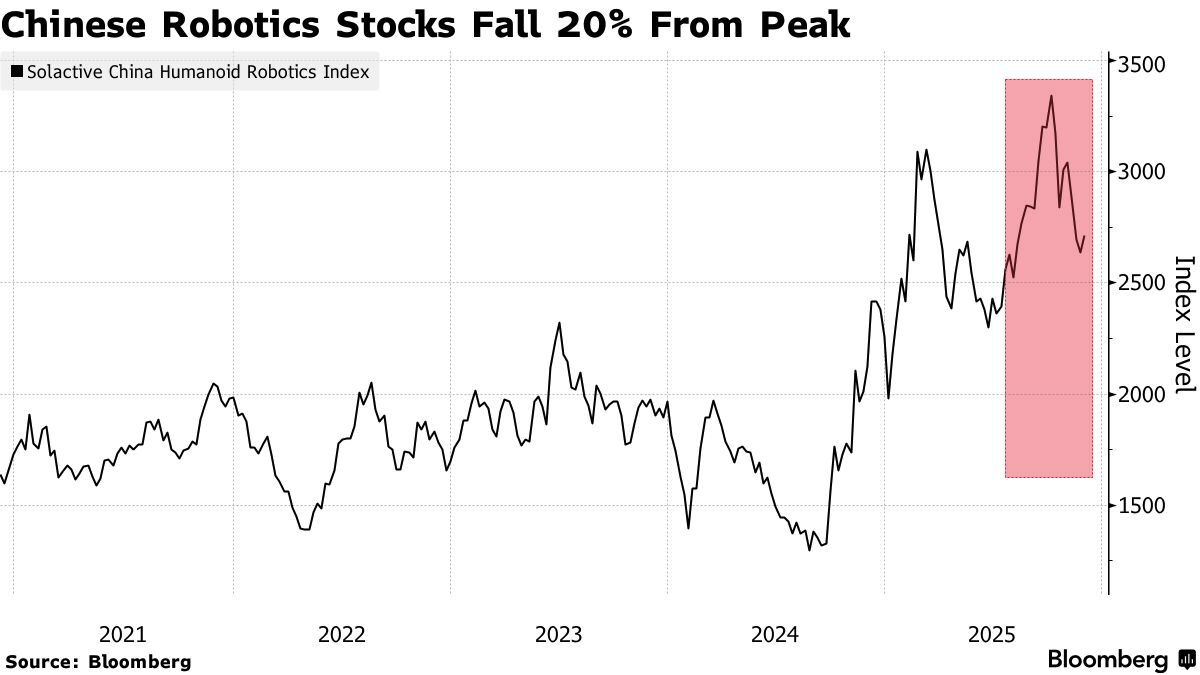
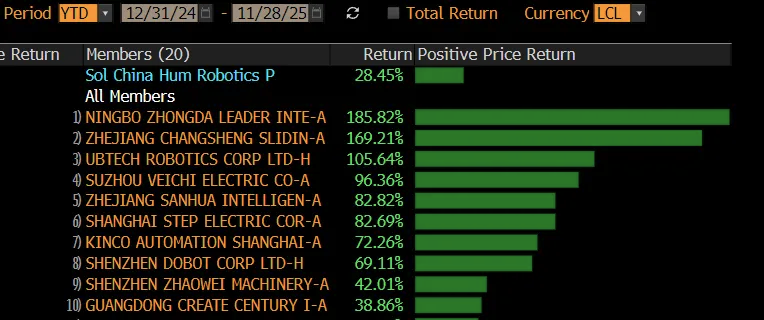
Investor enthusiasm for Chinese robotics stocks reversed in 2025. The Solactive China Humanoid Robotics Index surged nearly 60% to an October peak before dropping about 20%, signaling valuations running ahead of fundamentals. Divergence is stark: UBTech shares more than doubled despite a ¥414 million first-half loss; Ningbo Zhongda Leader rose 186% even as Q3 net profit fell 19%. The sector trades at about 58× forward earnings versus 32× for the CSI 300 IT Index, while more than 70% of humanoid and service-robot startups remain loss-making despite 20%+ revenue growth in core component makers.
Demand projections vary sharply. Optimists expect 2026 humanoid-robot shipments above 100,000 units, but Morgan Stanley forecasts only about 12,000 in 2026 and 114,000 by 2030, underscoring early-stage adoption and low efficiency relative to humans. The NDRC warned that over 150 firms are producing strikingly similar models, risking the crowding out of genuine R&D; this aligns with Beijing’s anti-“involution” campaign aimed at curbing low-quality, copycat investment driven by local-government herd behavior.
While robotics is designated one of six growth engines through 2030, policymakers acknowledge the boom was fueled by a short-term surge after Unitree’s Spring Festival Gala exposure. Sustained progress depends on scale-driven cost declines, localization of core components, and traction in B2B use cases. Citigroup expects “exponential” production growth in 2026, but Goldman Sachs stresses that performance and tangible applications will determine any true inflection point. Analysts say that amid overcrowding and regulatory caution, investors must adopt a more selective approach.