香港旺福苑大火造成至少 146 人死亡、79 人受伤、逾 100 人失踪,成为数十年来最严重的城市灾难。火势于 2:51 p.m. 起于 8 栋楼中之一,并在约 31 层高的建筑群中迅速蔓延至 7 栋,延烧逾两日。初步调查指向窗户外加装的塑料泡沫板、保护网、帆布及塑料膜等非阻燃材料,加上竹棚架与失灵的火警系统,使火势水平与垂直蔓延加速。过去一年政府对该区实施六次检查并发出六份改善通知与三宗检控,但监管漏洞仍在。全区近 4,600 名居民中约 40% 为 65 岁以上,受影响户获每户 1 万港元紧急援助,同时出现超过 100 宗宠物失踪报告。
政治层面上,中央与特区政府高度介入引发对治理结构的关注。习近平在事故当晚即发布指示,先于本地官员公开表态;李家超宣布设立 3 亿港元救助基金与全面调查,但网上质疑反映其政治姿态优先于本地问责。廉政公署拘捕 8 人并搜查 13 处地点,涉案者包括承建商董事、项目经理与棚架分包商,引发事件可能由过失转向腐败调查的风险。国家安全部门警告任何借机“搞乱香港”的行为,已有大学生因“煽惑”被捕。
事件对 12 月 7 日立法会选举构成直接冲击;选举宣传已暂停,法律允许最多延后 14 日,而 2020 年曾以疫情为由延期一年。政府试图在低投票率(2021 年仅 30.2%)后重建选举合法性,但灾难破坏“治理稳定、城市兴旺”的官方叙事。中央快速介入亦引发对“一国两制”边界的质疑:大火不属国防与外交范畴,理论上应由港府独立处理,却演变为中央主导姿态,动摇自治框架的可信度。
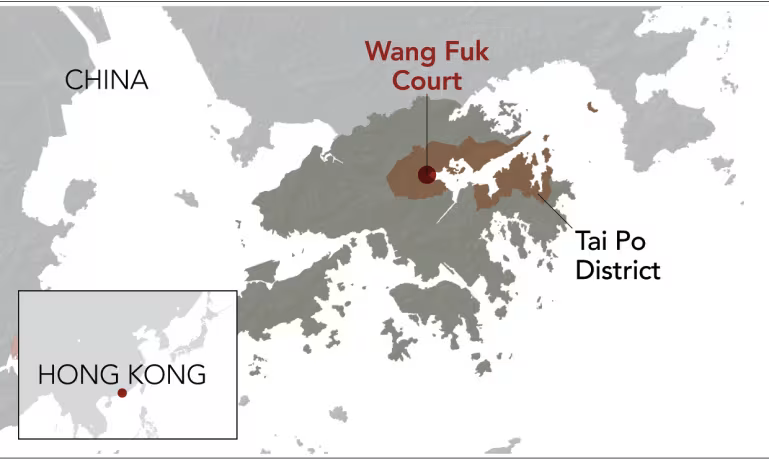
Hong Kong’s Wang Fuk Court fire left at least 146 dead, 79 injured, and over 100 missing, marking the city’s worst disaster in decades. The blaze began at 2:51 p.m. in one of eight 31-story towers and spread to six others, burning for more than two days. Preliminary findings point to flammable window-mounted plastic foam, protective netting, tarpaulins, and plastic sheeting, combined with bamboo scaffolding and nonfunctioning fire alarms, enabling rapid horizontal and vertical spread. Authorities had conducted six inspections in the past year, issuing six improvement notices and three prosecutions, yet regulatory gaps persisted. Among the 4,600 residents, about 40% were elderly; each household will receive HK$10,000 in emergency aid, with over 100 missing-pet reports also filed.
Politically, deep central and local intervention has intensified scrutiny of governance. Xi Jinping issued directives on the night of the fire, preceding Hong Kong officials’ statements; Chief Executive John Lee announced a HK$300 million relief fund and a full investigation, but criticism emerged over prioritizing political loyalty. The ICAC arrested eight individuals and searched 13 sites, involving directors, project managers, and scaffolding subcontractors, raising the risk of escalation from negligence to corruption. National-security authorities warned against attempts to “disrupt Hong Kong,” and a university student was arrested for alleged sedition linked to accountability petitions.
The disaster directly affects the Dec. 7 Legislative Council election; campaigning has halted and postponement of up to 14 days is legally possible, echoing the 2020 precedent. The government seeks to rebuild electoral legitimacy after a record-low 30.2% turnout in 2021, yet the tragedy undermines its narrative of stability. Central intervention has revived questions over “one country, two systems”: the fire falls outside defense and diplomacy — the only areas exempt from autonomy — yet Beijing’s leading role challenges the credibility of Hong Kong’s promised self-governance.