科学证据表明,白天小睡不仅对轮班工人有益,办公室人群也可能受益:一项发表于2023年的随机对照试验发现,小睡者醒来后情绪、警觉性和记忆力都有所改善。哈佛公共卫生学院在2007年的研究报告称,规律小睡的健康成年人死于心脏病的风险比不小睡者低37%,而2003年发表于《Sleep Health》的研究提出,习惯性小睡可能通过减缓随年龄增长的大脑萎缩速度而延长寿命。
关键在于时长与时机:睡眠科学家通常认为10到30分钟的短“能量小睡”最佳,NASA在1994年发现26分钟的小睡可提升飞行员的生理觉察与表现。睡得太久会进入90分钟睡眠周期的更深阶段并带来醒后昏沉,还可能在2016年的一项荟萃分析所示那样,当每日小睡超过1小时就增加糖尿病及相关心血管问题风险;此外,2023年一项涉及1,400名参与者的研究将频繁的长时间小睡与更高的阿尔茨海默病风险联系起来,因此使用闹钟来限制时长尤为重要。
一些专家认为,人类在中午后因昼夜节律波动而出现自然警觉性下降,提示对双相睡眠(把每日睡眠分成两段)的生物学倾向,而在常见这种做法的文化中仍需在夜间获得建议的7小时睡眠。现实中不少人改用不到5分钟的微睡但其益处很快消退;与此同时,一项发表于2008年的研究发现,能量小睡在提升警觉性与记忆力方面比咖啡因更有效,整体呈现出“短而规律更佳、长且频繁更差”的风险—收益趋势。
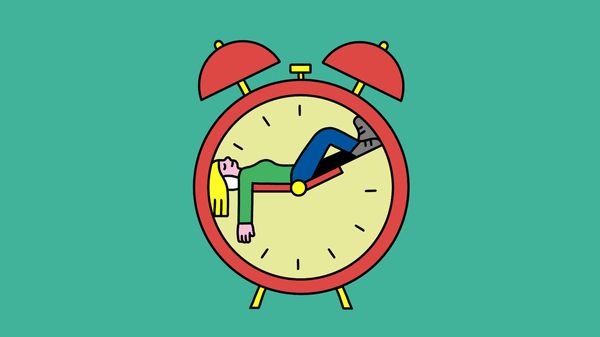
Scientific evidence suggests daytime naps can benefit office workers as well as shift workers: a randomized controlled trial in 2023 found that nappers woke with improved mood, alertness, and memory. A 2007 Harvard School of Public Health study reported that healthy adults who napped regularly had a 37% lower risk of dying from heart disease than non-nappers, and a 2003 study in Sleep Health suggested habitual napping might add years by slowing age-related brain shrinkage.
Timing and dose matter: sleep scientists generally favor a short “power nap” of 10–30 minutes, and NASA in 1994 found a 26-minute nap improved pilots’ physiological awareness and performance. Longer sleep can push into deeper stages of the 90-minute sleep cycle and leave grogginess, and may, as a 2016 meta-analysis concluded, raise diabetes and related cardiovascular risk when daily naps exceed 1 hour; a 2023 study of 1,400 participants also linked frequent extended naps to a higher Alzheimer’s risk, making an alarm clock an important constraint.
Some experts argue humans are biologically disposed to nap because circadian fluctuations create a post-midday dip in alertness, implying a tendency toward biphasic sleep (two daily sleep bouts), while cultures that practice this still require the recommended 7 hours at night. Many people instead rely on micro-sleeps under 5 minutes whose benefits fade quickly, while a 2008 study found power naps more effective than caffeine for improving alertness and memory, reinforcing a risk–benefit trend of shorter, controlled naps over longer, frequent ones.
Source: How to get power naps right
Subtitle: It’s all in the timing
Dateline: 1月 29, 2026 04:18 上午