半干旱土地约占地球陆地表面的15%,而可耕地仅约占10%;哪怕把前者中的一小部分转为后者,都可能显著扩大耕地供给。该方案试图以低成本利用坡面受光角度导致的湿度差异,通过改造地形提升土地价值。
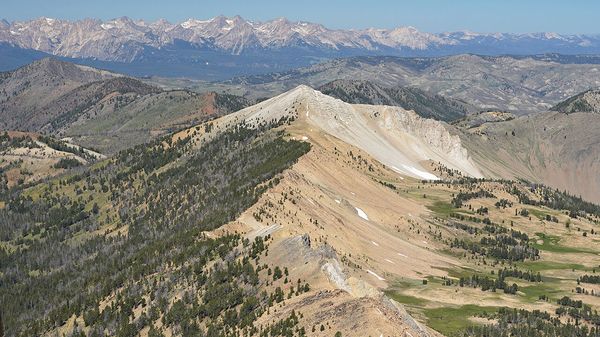
做法是用土方机械把半干旱地形重塑为东西走向的垄脊:背向太阳的一侧做成宽而缓的坡面,迎向太阳的一侧做成窄而陡的坡面,然后在更凉、更湿的一侧种植作物。ReSlope Global 将在意大利和肯尼亚各进行一次田间试验,每次在2公顷地块上评估改造成本并确定最佳坡度几何。
意大利试验将测试北半球该地区北向坡的最佳倾角;横跨赤道的肯尼亚则保持两侧坡面面积与倾角相同,并随着太阳在一年中南北摆动而在北向与南向坡面间轮作。鉴于以往点子成败参半——电站废气入温室与无人机航播造林逐渐走红,而飓风控制被证明过于冒进——这些试验被定位为可量化的成败判断。
Semi-arid land covers about 15% of Earth’s terrestrial surface, while arable land is only about 10%; converting even a fraction of the former into the latter could materially expand cropland supply. The proposal aims to raise low-value land cheaply by exploiting sun-angle-driven moisture differences between slopes.
The method uses earthmoving equipment to reshape semi-arid terrain into east–west ridges with broad, shallow slopes facing away from the sun and narrow, steep slopes facing into it, then plants crops on the cooler, wetter sides. ReSlope Global will run two field trials—one in Italy and one in Kenya—each on a 2-hectare plot to measure reshaping costs and pinpoint optimal slope geometry.
Italy will test the best north-facing slope angle for its northern-hemisphere setting; Kenya, which straddles the equator, keeps both sides equal in area and inclination and alternates cropping between north- and south-facing slopes as the sun shifts over the year. With a mixed prior track record—power-station exhaust to greenhouses and drone-enabled aerial reforestation gaining momentum, while hurricane control proved an overreach—the trials are framed as a quantifiable go/no-go.
Source: A way to expand Earth’s arable land
Subtitle: Make the semi-desert bloom by enridging it
Dateline: 1月 08, 2026 09:11 上午