香港“叮叮”电车上一程HK$3.30(US$0.42)的车费,如今吸引的游客约占每日约150,000次乘车的15%。乘车量在2020至2024年从120,000增至150,000而游客占比保持稳定,且官方主题游(如万圣节)在一天内售罄。
全港访客人数在2025年同比上升12%至接近50m,但仍低于2018年的65m。2025年上半年每名过夜旅客的人均消费同比下降3.5%至HK$5,443,较2018年平均水平下降18%,而来自内地的过夜旅客人均消费为HK$5,007,同比下降2.3%。
由于目前超过四分之三的旅客来自内地,更便宜的旅行正在增长:2025年上半年内地国内出游次数较2024年增加20%,但每次出游花费下降4.3%。香港押注到2029年通过赛马与“盛事”活动带来HK$120bn,并配合网红推广,而像电车这样的低成本吸引物或许最有效。
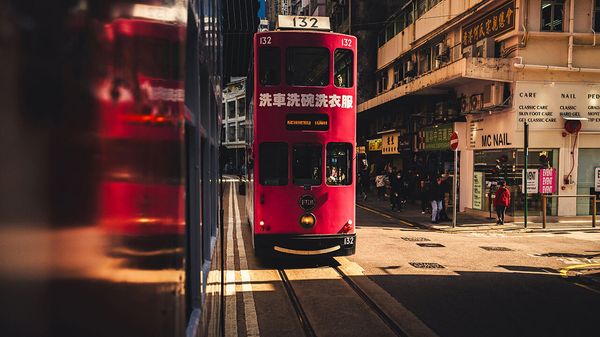
On Hong Kong’s “ding ding” trams, a HK$3.30 (US$0.42) ride now draws tourists who make about 15% of roughly 150,000 daily trips. Ridership rose from 120,000 in 2020 to 150,000 in 2024 while the tourist share stayed steady, and official tours (e.g., Halloween) sold out within a day.
Citywide visitor numbers rose 12% year on year to nearly 50m in 2025, still below 65m in 2018. Average spending per overnight visitor fell 3.5% year on year to HK$5,443 in 1H 2025, an 18% drop versus 2018, while mainland overnight visitors spent HK$5,007, down 2.3%.
With more than three-quarters of tourists now from mainland China, cheaper travel is growing: mainland domestic trips were up 20% in 1H 2025 versus 2024 but spending per trip was down 4.3%. Hong Kong is betting through 2029 on horse-racing and “mega-events” to generate HK$120bn, alongside influencer campaigns, even as low-cost draws like trams may be the most effective.
Source: The best way to see Hong Kong is on its trams
Subtitle: It’s an inexpensive way to see an expensive city
Dateline: 1月 15, 2026 05:52 上午 | Hong Kong