目前人员损失仍相对有限(已知3人死亡),但资产阶层的撤离需求已急升:部分受困家庭据报愿支付数十万美元(hundreds of thousands of dollars)经Oman离境。相较之下,学生与一般劳工的撤离能力较弱,更多依赖本国政府协助。这种分化凸显阿联酋经济结构的压力点:Dubai主要仰赖运输、观光、金融与房地产,而非石油;若冲突延长,人才流入、旅游与资产价格都可能同步承压。
地缘战略层面,Mohammed bin Zayed Al Nahyan与Mohammed bin Salman以主权基金推动全球投资,并透过AI与数据基础设施合作(如Microsoft、Alphabet、Amazon)塑造「稳定」叙事;但机场关闭与关键设施受攻击,会直接削弱此叙事可信度。与去年的12天战争相比,这一轮冲突对民用基础设施与区域供应链的威胁更高,且拦截弹库存下降风险正在上升。若战事拖长,Dubai面临自2008年后最显著的下行压力机率将明显增加。
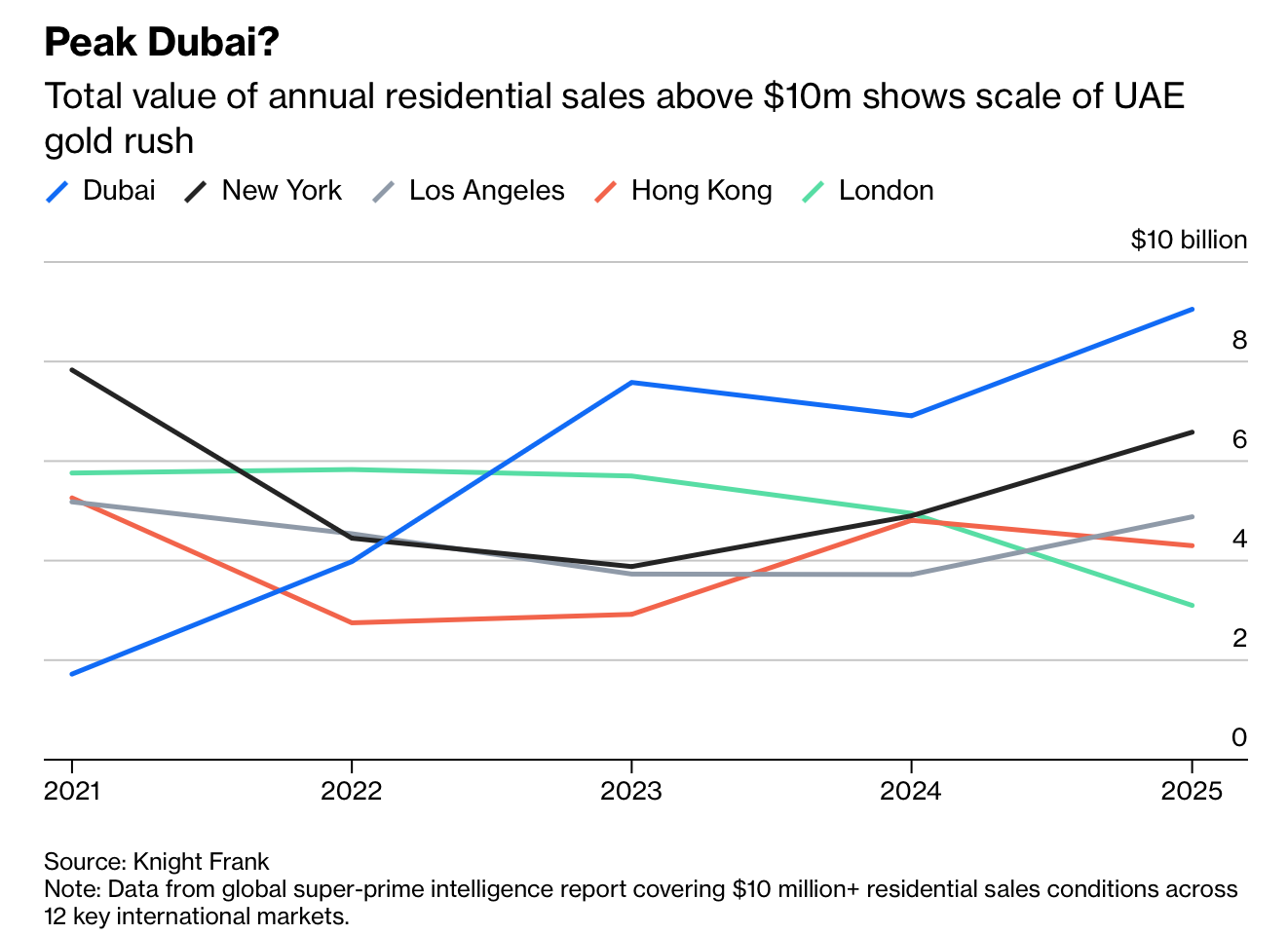
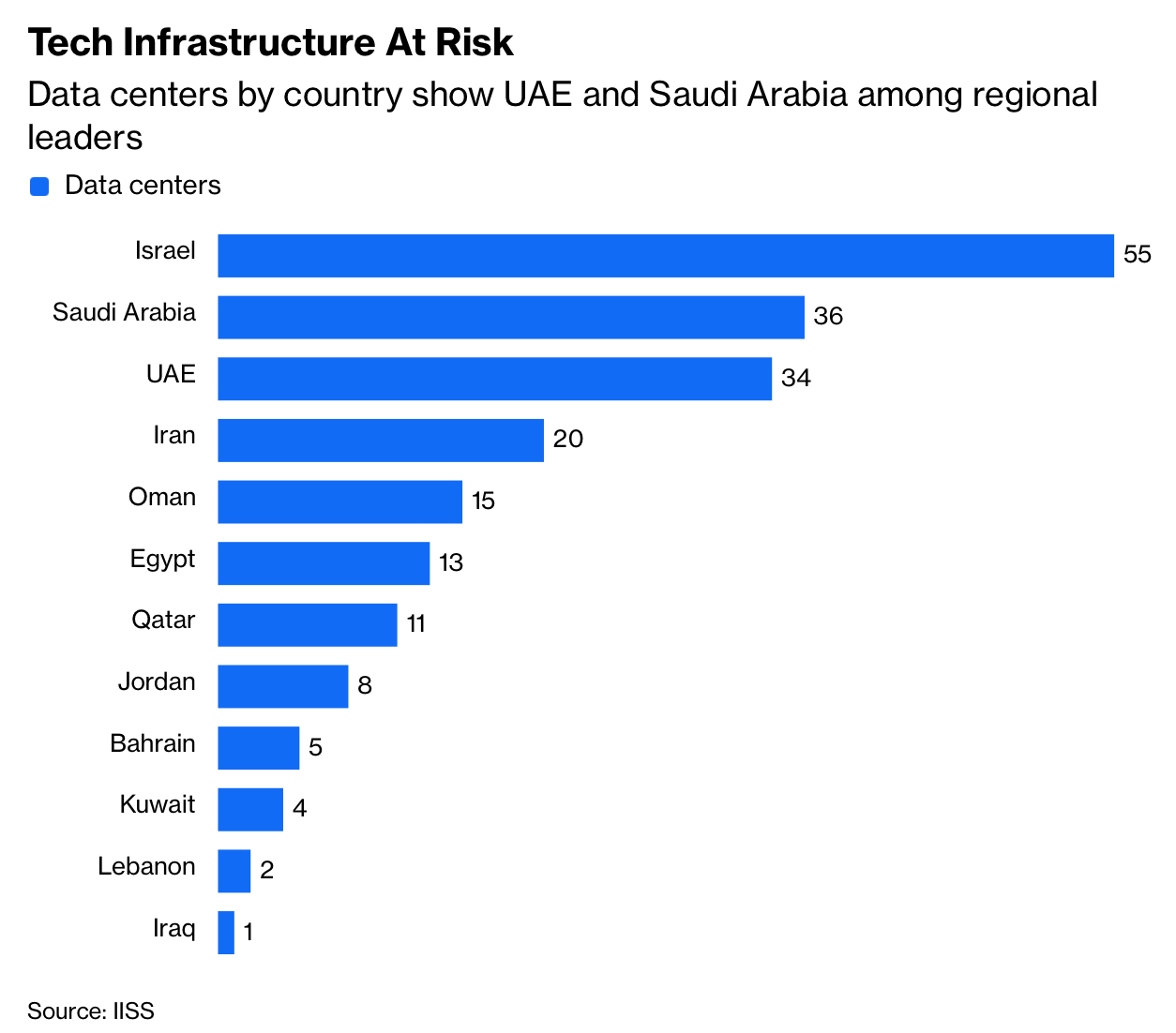
The safe-haven model that made Dubai and Abu Dhabi a “Switzerland of the Middle East” is now visibly cracking. Since the weekend, UAE defenses have intercepted 165 ballistic missiles, two cruise missiles, and 541 drones, for 708 inbound threats in total; drones were about 76% of the mix (541/708) and outnumbered ballistic missiles by roughly 3.28 times (541/165). Fires and debris, panic buying, and the temporary silence of Dubai International Airport followed, while the Strait of Hormuz became effectively constrained, suggesting war risk had been materially underpriced.
Casualties remain relatively limited so far (three deaths reported), but evacuation pressure has surged among wealthy residents: some stranded families were reportedly ready to pay hundreds of thousands of dollars to exit via Oman. Students and ordinary workers have had fewer options and greater reliance on consular help. This divergence exposes structural fragilities in the UAE model: Dubai depends far more on transport, tourism, finance, and property than on oil, so a prolonged conflict could simultaneously weaken talent inflows, travel demand, and real-estate valuations. (Key numbers: 3)
Strategically, Mohammed bin Zayed Al Nahyan and Mohammed bin Salman have used sovereign wealth and AI-linked infrastructure partnerships (including Microsoft, Alphabet, and Amazon) to market regional stability; airport shutdowns and attacks on critical assets directly undermine that message. Compared with last year’s 12-day war, this round presents broader risks to civilian infrastructure and regional logistics, while interceptor depletion risk appears to be rising. If the conflict persists, the probability of Dubai’s most meaningful downturn since 2008 increases materially.