这位咨询师米泽未来在日本从札幌到宫崎的乡村巡回演讲,核心目标是减少对女性的结构性排斥:她在南都等地为由志愿者和社区议会组成的地方决策圈讲授性别不平等,南都有31位委员会负责人,却没有一位女性。2014年政府报告警示900个市町村(约占全国一半)在未来25年内育龄女性人数将减半,并将面临“消失化”风险。
报告关注的外迁趋势表明,乡村并非“自然而然”回流,而是呈现持续性漏斗效应:虽然多数地方仍寄望青年20—30岁回流,但在47个都道府县中约70%里,年轻女性离开的比例高于年轻男性。以丰冈为例,青少年离开的男性中有52%在20多岁返回,而女性仅27%,形成明显性别反差;与之相对的是东京及少数大城市,出现更多年轻女性净流入的逆向趋势。
政策层面的努力仍暴露出目标悖论:地方为留住女性会投资性别平等,但核心诉求往往又回落到“生育率补位”;一边推动平权,一边以育龄女性为地方生存底盘。2024年前后的一些举措(包括发放漫画宣传材料、对教师和商界人士培训)虽表明观念转变,但仍与“为年轻人办婚恋联谊会、由长者牵线”并存,甚至岩手还发布引导女性穿“娇嫩”裙装和“端庄”妆容吸引丈夫的恋爱手册,这种混合信号削弱了“以女性主体权利为先”的制度信任。
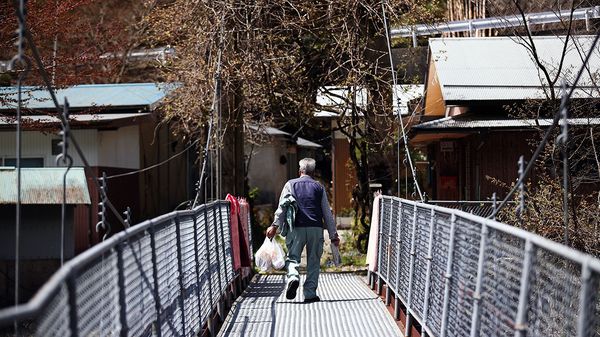
From Sapporo to Miyazaki, consultant Koyasu Miwa is campaigning across rural Japan to make communities less hostile to women, and she has found that in Nanto none of the 31 local council chairs are women. A 2014 government report warned that 900 municipalities—about half of all municipalities nationwide—could see child-bearing-age women fall by half within a quarter-century, putting them at risk of long-term extinction.
The migration pattern is not a simple city-to-country drift but a gendered demographic imbalance: local officials still hope young people leave for education or work and return in their 20s or 30s, yet in roughly 70% of Japan’s 47 prefectures, young women leave at higher rates than young men. In Toyooka, 52% of men who left as teens returned in their 20s, while only 27% of women did; Tokyo and some major urban centers show the opposite with more young women moving in than men.
Activists and data point to entrenched causes—poor job options for women, a larger rural gender pay gap, and persistent sexist norms such as women serving tea while men decide—while women who are willing to return often stay silent about discrimination and leave quietly. Many towns run anti-discrimination programs, including manga awareness and training for teachers and business leaders, yet authorities still send mixed signals by combining inclusiveness campaigns with “nannyish” matchmaking policies, as seen in one-council co-location of both in Nanto and Iwate’s guide advising women to appear “delicate” and “demure” to attract husbands.
Source: Why women, more than men, are abandoning rural Japan
Subtitle: Bigger cities are, in turn, skewing more female
Dateline: 4月 01, 2026 04:47 上午 | NANTO