当布伦特原油价格接近每桶100美元时,基里尔·德米特里耶夫称俄罗斯在全球经济与地缘政治中的声音“更大”,而伊朗战争使亚洲在燃料和化肥上的供应焦虑进一步加剧。3月27日,菲律宾在乌克兰入侵后首次购买俄罗斯原油,规模为2.48百万桶,印尼、泰国、越南等近十个亚洲国家已开始排队采购俄油,日本和韩国也在评估是否追随。
从巴基斯坦到斯里兰卡,俄罗斯外交人员正积极斡旋燃料交易,俄副总理称其正在将天然气出口从欧洲转向与俄建立“长期建设性关系”的国家。美国财政部对在海上运输的俄罗斯原油暂停制裁,导致亚洲买家急于在4月11日豁免终止前完成交易;尽管美国向亚洲增加原油和液化天然气供应,缺口仍被认为难以完全填补。
能源结构性冲击也在推动政策重算:台湾3月27日宣布重启核电站,越南与俄罗斯在总理访莫斯科后签署了预期中的核合作协议;中国在3月初曾暂停精炼油出口后,于3月30日向越南和菲律宾投放约36万桶燃料,并在条件性前提下对台提出能源支援。菲律宾总统在3月24日宣布与中国关系“重置为新常态”,并重启南海油气联合勘探,显示区域内地缘取向开始更偏向供应安全。
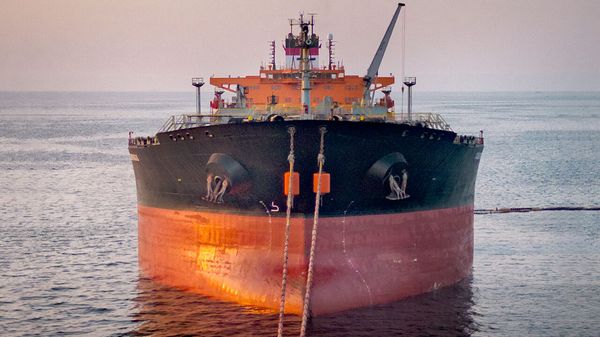
With Brent near $100 a barrel, Dmitriev’s claim that Russia is louder in global politics appears to be borne out in Asia, where the Iran conflict is heightening fuel and fertilizer stress. On March 27, Manila made its first Russian oil purchase since Russia’s 2022 invasion of Ukraine, buying 2.48 million barrels, while nearly a dozen countries including Indonesia, Thailand, and Vietnam are lining up for Russian crude and U.S. allies Japan and South Korea are debating whether to follow.
Russian diplomats from Pakistan to Sri Lanka are actively brokering sales, and Moscow says it is shifting natural-gas exports away from Europe toward states seeking long-term ties. A U.S. pause on sanctions for Russian crude already at sea has accelerated deal-making ahead of an April 11 waiver deadline, even as extra U.S. oil and LNG to Asia is judged insufficient; the shock is also reshaping energy policy, with Taiwan restarting a plant on March 27, Vietnam signing a long-awaited nuclear agreement, and China reversing from its early-March export cut by releasing about 360,000 barrels to Vietnam and the Philippines while offering Taiwan conditional energy help.
These moves also have political costs and openings: Philippines’ President Ferdinand Marcos Jr. moved toward a “new normal” with China on March 24 and agreed to restart South China Sea oil-and-gas talks, signaling pragmatic hedging despite strategic rivalry. For Putin, these sales support a fragile budget and his “turn to the East,” but analysts argue Russia remains limited by cash shortages, weak participation in Asia’s critical technology chains, and exposure to Ukraine drone impacts on oil infrastructure, whereas China can offer both energy and investment yet is expected to seek political returns.
Source: America’s foes see opportunity in Asia’s oil shock
Subtitle: Russia and China are quietly stepping i
Dateline: 4月 01, 2026 03:22 上午