如今的市场氛围充满了保留、警告与悲观论调,这源于更为严峻的宏观背景,包括区域战争、失控的政府赤字与通膨,以及财富不均的加剧。与当年人们对网际网路的欢呼不同,人工智慧(AI)热潮被许多人视为对就业与生存的威胁,应届毕业生已因 AI 侵蚀初阶白领工作而面临求职困难。此外,AI 巨头在市场中的占比远超当年的网际网路公司,不仅占据了市场总值的 40% 至 60%,更贡献了标普 500 指数第三季近 70% 的获利成长,使市场高度依赖 AI 的表现。
在经历了近二十年几乎不间断的牛市后,投资人情绪显得格外沉重,散户调查显示看空者比看多者高出 8 个百分点,这也导致包括 OpenAI 和 Anthropic 在内的多家公司推迟或撤回首次公开募股(IPO)。尽管作者对 AI 的长期效益与获利能力持乐观态度,但他也提醒目前的获利成长速度难以持续,未来必将面临降温、局部投机与诈欺曝光以及一般的熊市回调。然而,目前标普 500 指数获利仍较去年同期强劲成长 25%,作者总结道,当越多人认定市场存在泡沫时,真正发生泡沫破裂的可能性反而越低。
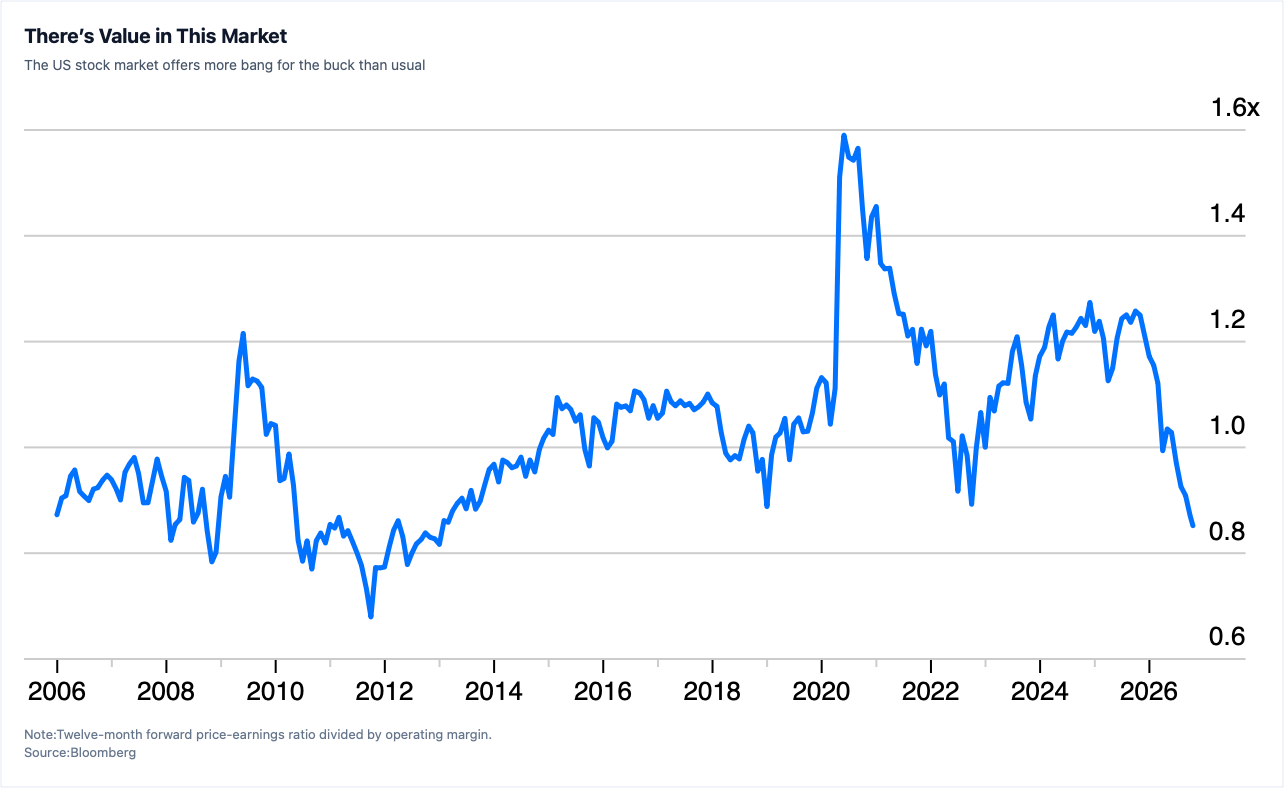
Bloomberg columnist Nir Kaissar observes that the current US bull market is the most distrusted rally in several decades. While many fear the stock market is in a bubble destined to end in tears, the author argues that it is actually an unusually high-quality market trading at modestly above-average valuations. More importantly, compared to the late 1990s dot-com mania—characterized by peace, prosperity, fiscal surpluses, and widespread euphoria over obscure internet startups—today's market is sorely lacking the "animal spirits" that typically accompany and propel bubbles.
Today's market mood is dominated by reservations, warnings, and pessimism, driven by a less hospitable backdrop of regional wars, out-of-control government deficits fueling inflation, and widening inequality. Unlike the cheers that greeted the internet, the artificial intelligence (AI) boom is viewed by many as a threat to jobs and humanity, with college graduates already struggling as AI encroaches on entry-level white-collar work. Furthermore, AI behemoths have a much larger footprint than dot-com stocks ever did, accounting for 40% to 60% of the market's value and nearly 70% of the S&P 500's third-quarter earnings growth, leaving the market heavily reliant on AI.
Following a nearly uninterrupted two-decade-long bull market, investor sentiment is weighed down, with surveys showing bears outweighing bulls by 8 percentage points and a growing number of companies, including OpenAI and Anthropic, postponing their initial public offerings (IPOs). Although the author remains an AI optimist regarding long-term productivity and corporate profitability, he warns that the current pace of earnings growth is unsustainable and will eventually cool, exposing pockets of speculation and fraud during a standard bear market pullback. For now, however, S&P 500 profits remain strong—up 25% from a year ago—leading the author to conclude that the more people see a bubble, the less likely there is to be one.