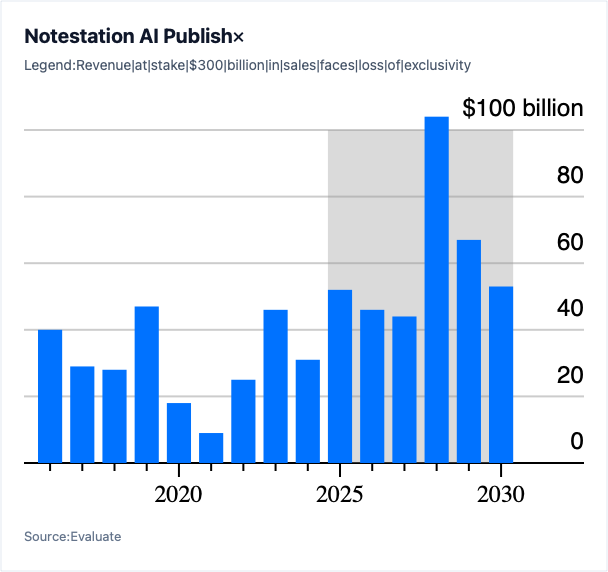
若美国药企被迫退出与中国的授权交易,日本的武田制药、安斯泰来、卫材,以及欧洲的罗氏和阿斯特捷利康等竞争对手,将可能以更低成本获得这些疗法的授权。这些企业可先在本国市场将中国授权的药物商业化,再组织临床试验以申请美国FDA批准,形成间接进入美国市场的路径。与此同时,各大药企正面临专利到期带来的「营收悬崖」压力,来自中国的授权交易因此变得愈加抢手。
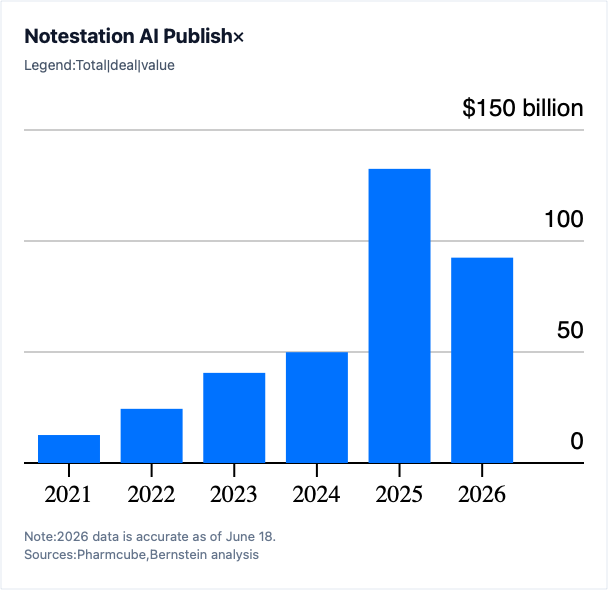
过去十年,中国药品监管改革与海归人才回流推动了早期研发的爆发式成长,中国的实验性药物管线规模已超越美国。中国药企日益倾向将海外权利授权给外国药企,换取预付款和未来权利金。若美中严重脱钩,中国企业的新授权收入可能下滑50%至80%,但最可能的结果并非全面禁令。美国立法者低估了中国制药生态系统的重要性,脱钩最终可能只是将机会转移给其他国家的药企,美国企业反而选择更少、战略收益甚微。
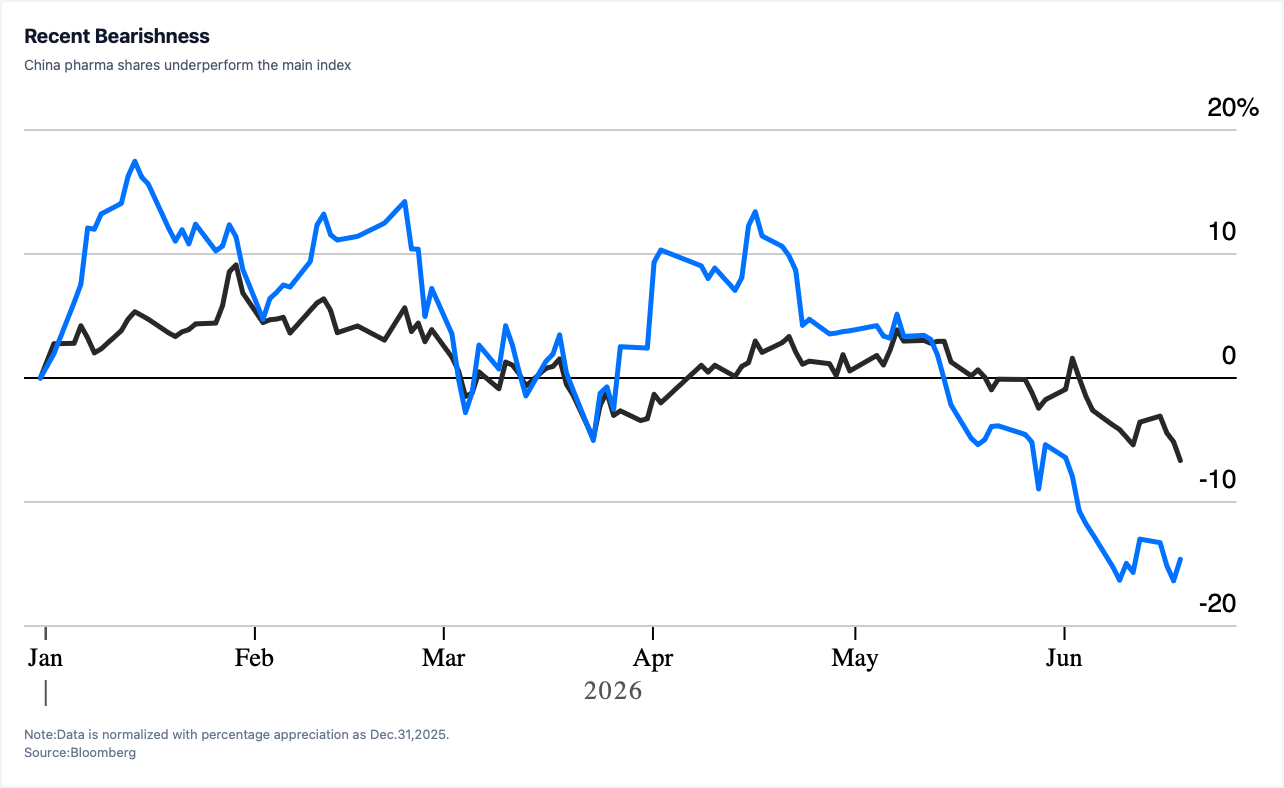
US lawmakers are advancing bipartisan legislation to add biotechnology to the sectors subject to mandatory outbound investment screening, potentially restricting joint ventures and equity investments linked to Chinese pharma companies. The article argues this approach is self-defeating: excluding novel treatments from China based on country of origin risks denying patients access to superior therapies, particularly as China has become the second most important source of new drugs globally after the United States.
Should American pharmaceutical companies be forced to withdraw from Chinese licensing deals, Asian and European rivals such as Takeda, Astellas, Eisai, Roche, and AstraZeneca stand to benefit by acquiring these therapies at lower costs. These companies could license treatments from China, commercialize them domestically, and then pursue FDA approval through clinical trials—an indirect route into the US market. The urgency is compounded by the industry-wide 'revenue cliff' as patents on blockbuster medicines expire, making Chinese licensing deals increasingly critical for pipeline replenishment.
China's pharmaceutical ecosystem has matured dramatically over the past decade through regulatory reform and returning Western-trained talent, resulting in an experimental drug pipeline now larger than that of the US. Chinese firms increasingly out-license overseas rights in exchange for upfront payments and royalties. Bernstein Research estimates that severe US decoupling could cut Chinese firms' new-deal licensing income by 50% to 80%, though a full ban remains unlikely. Ultimately, restricting these ties would redirect opportunities to non-US global drugmakers while leaving American companies with fewer options and minimal strategic advantage.