人工智能与自动化对就业的净影响仍不确定,但各国政界已准备面对对变革“飙升”的公共焦虑;许多曾被重视的技能与证书将变得供过于求,即便新岗位出现,一些劳动者也可能在“服务”人工智能时感到缺乏自主与尊严。
在中国,国家通过关闭不再符合国家需求的产业、要求富余劳动力在国内迁移或自我再造,并用宣传与压制迅速遏制挫败情绪来管理冲击;埃德尔曼咨询公司去年的一项民意调查发现,与美国人、巴西人、英国人和德国人相比,中国受访者更愿意拥抱人工智能、也更不担心其对工作的影响,而这发生在将技术塑造成国家自豪感的持续传播,以及过去三十多年生活环境更清洁、更富足、更安全的背景下。
西方民主国家更公开地承认愤怒与羞辱,并承诺通过监管、再培训与福利来缓冲冲击,但若由人工智能与机器人驱动的变化速度超过可管理范围,财政吃紧的政府资源可能迅速被压垮;民粹主义者则把羞辱武器化,以背叛与偷窃的叙事煽动愤怒,并以关税或报复作承诺,而在变化加速之际,各国政府都面临迫在眉睫的失落、错位与羞辱政治。
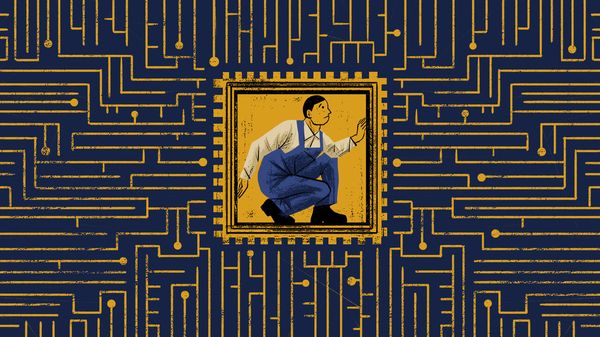
The net employment impact of automation and artificial intelligence remains uncertain, but politicians across industrialised countries are braced for soaring public anxiety about change; many once-valued skills and credentials will become surplus to economic requirements, and even if new jobs appear, some workers may feel a loss of autonomy and dignity in serving AI.
In China, the state manages disruption by closing sectors that no longer serve national needs, expecting surplus workers to migrate within the country or reinvent themselves, and swiftly containing frustration with propaganda and repression; an opinion poll conducted last year by Edelman found Chinese respondents far readier to embrace AI and less worried about job impacts than Americans, Brazilians, Britons, and Germans, amid relentless tech-as-pride messaging and improvements in cleanliness, prosperity, and safety over three decades.
Western democracies more openly acknowledge anger and humiliation and promise AI regulation, retraining, and welfare protection, but if AI- and robot-driven change arrives faster than manageable, cash-strapped governments can be quickly overwhelmed; populists weaponise humiliation with betrayal-and-theft narratives and promises of tariffs or vengeance, and as the pace of change quickens, all governments face urgent politics of loss, dislocation, and humiliation.
Source: Anger is deadly to moderate politicians
Subtitle: AI-driven disruption is about to make the world a more resentful place
Dateline: 2月 05, 2026 04:17 上午