“亚太海下”中,关岛阿纳波利斯号核攻击潜艇被描绘为美国制海优势的前沿棋子,舰内常驻145名官兵(报道时仅1名女性)、几个月到一个月级别高压密闭巡弋,核动力使其不受燃油和氧气直接限制,食物反而成为主要续航瓶颈。该艇官方参数显示可下潜超过240米、航速超过25节,并配备战斧巡航导弹、Mark-48鱼雷与水雷等,任务不仅是追踪核常规潜艇、情报收集与特种兵插入,也在中俄竞争下承担早期威慑打击。
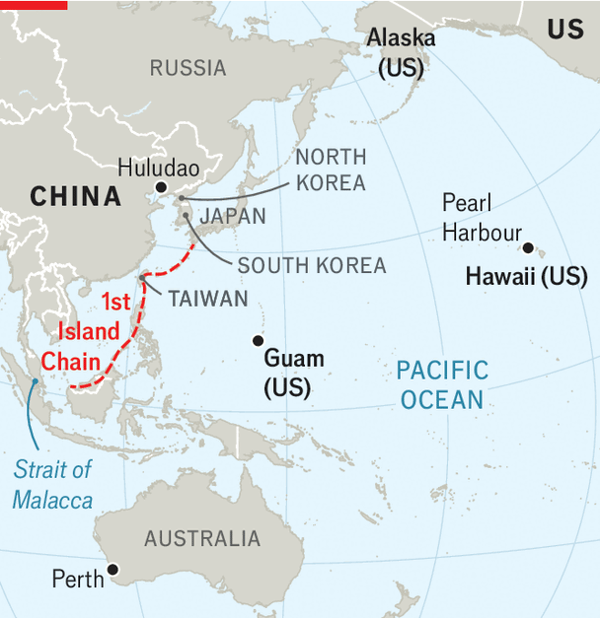
美国海军估计中国次年将有约70艘潜艇、2035年达80艘,其中约40艘核动力,而美国目前为67艘(49艘攻击核潜艇SSN、14艘弹道导弹核潜艇SSBN、4艘巡航导弹核潜艇SSGN),并预计先降至63艘后到2054年回升至66艘。美国目前担心从“几乎纯美国化”的深海优势转向“开阔领域压力加剧”,因为中国正在引入更安静的核潜艇(含093B、095、096系)并借助俄技术推进,意味着对台湾、第一岛链及其后方基地的海上威慑与打击节奏形成挤压。
美国造船能力被制造瓶颈拖累,维吉尼亚级年产量仅约1.1–1.2艘,远低于履行AUKUS澳军补给需求所需的约2.33艘/年;现役核潜艇中约三分之一处于维护或停泊,常规“仓库维护”超过18个月,2017年停泊过久的“博伊西”号今年被批准退役。英国也同步报告短板,卫星数据显示自2024年起中国每年约建造2艘攻击核潜艇加1艘SSBN;在单艘维吉尼亚级约50亿美元的高成本下,美国转向盟友协同(澳大利亚、韩国)与“有人+无人”混成模式,但仓储港口稀缺与补给链限制仍是关键约束。
The article depicts USS Annapolis as a core U.S. Pacific undersea deterrent: a 145-crew boat (with one woman aboard at the time of visit) operating for months in light-and-recycled-air endurance where food is the limiting supply, while fuel, air, and water are less so due to nuclear power. Officially able to exceed 240 meters depth and 25 knots, and armed with Tomahawks, Mark-48 torpedoes, mines, and more, it supports missions from tracking ballistic missile submarines and gathering intelligence to early-strike deterrence in a deepening U.S.-China-Russia undersea contest.
U.S. intelligence expects China to have about 70 submarines next year and 80 by 2035, with roughly 40 nuclear-powered, versus a current U.S. total of 67 boats: 49 SSNs, 14 SSBNs, and 4 SSGNs. The U.S. fleet is projected to dip to 63 before rising to 66 by 2054, still below a 66-SSN target, while China shifts from conventionally powered boats toward quieter nuclear classes, and Russian-linked technology cooperation is seen as reducing the U.S. “open undersea margin,” especially around Taiwan and the first island chain.
At the same time, U.S. production lags critical demand: about 1.1–1.2 Virginias per year, far short of roughly 2.33 boats per year required for AUKUS delivery plans, with one-third of SSNs in maintenance or idle and depot periods stretching beyond 18 months, and Boise recently set for decommissioning after a long layup. China is reported to be building about two attack submarines and one SSBN each year since 2024, while a Virginia-class submarine costs around $5bn each, forcing the U.S. to lean on allies and unmanned systems through manned-unmanned teaming to compensate for limited forward ports and sustainment capacity.
Source: American subs rule beneath the waves, but China’s are catching up
Subtitle: And underwater drones may supplant them all
Dateline: 5月 07, 2026 06:28 上午 | GUAM and HONOLULU