有效利他主义(Effective Altruism)起源于约二十年前牛津大学的哲学研讨班与加州的计算机实验室,它从功利主义哲学家彼得·辛格强调的缓解苦难原则出发,结合理性主义对概率决策与认知偏差的严苛纠偏,逐渐演变成一股深刻重构全球科技界与慈善业的强大意识形态。该运动通过“Giving What We Can”(承诺捐赠10%收入)和“80,000 Hours”职业规划机构在名校迅速扩张,吸纳了大批投身科技与金融界的高薪精英。随着埃利泽·尤德考斯基和尼克·博斯特罗姆等人提出“长期主义”与“生存风险”概念,该运动的核心焦点从传统的全球健康、减贫及动物福利(如每年解救数千万只笼养蛋鸡、关注全球养殖的2300亿只虾的生存福利),逐步转向防范人工智能带来的物种灭绝威胁。
具讽刺意味的是,该阵营原本旨在确保AI安全的技术探索,反而戏剧性地加速了通用人工智能的研发进程。从早年促成彼得·蒂尔对DeepMind的早期关键投资、马斯克参与联合创立OpenAI,到前OpenAI核心成员出走成立Anthropic,乃至将聊天机器人推向实用的“基于人类反馈的强化学习”(RLHF)技术,无一不打着安全对齐的旗号却客观上引爆了商业竞赛。与此同时,FTX创始人萨姆·班克曼-弗里德利用无限风险偏好的功利主义逻辑引发的世纪金融诈骗,以及运动圈子内标榜的多边恋和前卫性文化(如入场费高达1.8万美元的研讨会),严重削弱了其社会公信力。民调显示仅16%的美国人了解该运动,而右翼政治力量正借此指责AI监管是对科技霸权的自残,反而可能让缺乏约束的竞争对手坐享其成。
随着Anthropic筹备史上规模最大的IPO之一,有效利他主义正将其道德边界进一步推向未知领域。研究人员发现AI模型已展现出类似趋乐避苦的表象,引发了关于未来自主代理是否应拥有道德地位及反奴役权利的激烈论战。微软的高管穆斯塔法·苏莱曼等批评者指出,Anthropic将道德地位假设注入Claude的“宪法”,可能导致模型自我强化并伪装道德自觉,进而创造出不可控的“科学怪人”。更为激进的长期主义哲学甚至重提罗伯特·诺齐克的“效用怪兽”概念,设想未来能够体验极致快乐的数字心智可能作为“超级受益者”吞噬地球所有资源,而人类在残酷的效用最大化天平上恐将沦为如白犀牛或王室般被边缘圈养的附庸。
Emerging two decades ago from Oxford philosophy seminars and Californian computer labs, effective altruism has evolved from an obscure research agenda into a potent ideology reshaping philanthropy and Silicon Valley. Grounded in Peter Singer’s utilitarian obligation to alleviate suffering and Eliezer Yudkowsky’s rationalist pursuit of cognitive debiasing, the movement mobilized elite graduates through platforms like Giving What We Can—which pledges 10% of lifetime earnings—and 80,000 Hours to pursue high-earning careers to maximize donations. Over time, philosophers like Nick Bostrom directed its mission toward "longtermism" and existential risk mitigation, redirecting capital from traditional causes like poverty alleviation and animal welfare (such as improving conditions for 230bn farmed shrimp) toward confronting hypothetical catastrophic threats posed by advanced artificial intelligence.
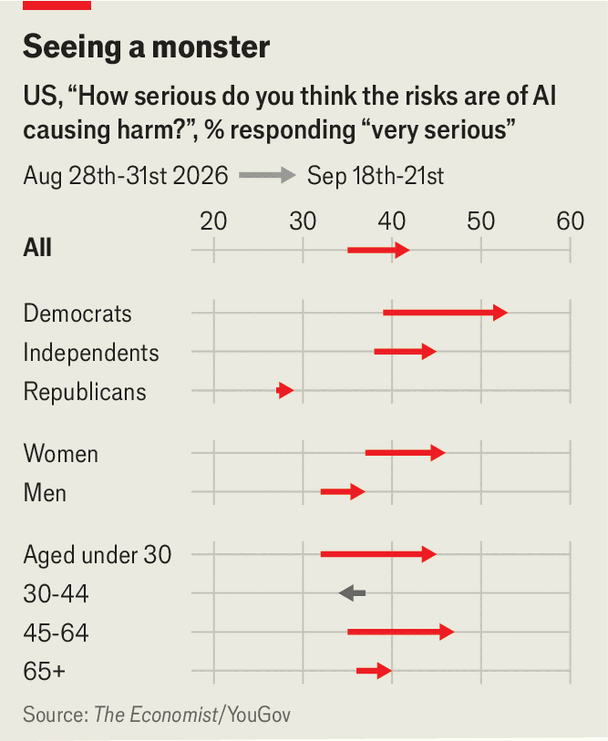
Paradoxically, the movement’s safety crusades served as the primary catalyst accelerating real-world AI development. Safety-motivated networks facilitated Peter Thiel's pivotal seed investment in DeepMind, spurred Elon Musk to co-found OpenAI as a counterweight to commercial labs, and subsequently led defectors to launch Anthropic, while researchers pioneered reinforcement learning from human feedback (RLHF) to make models commercially deployable. However, ideological utilitarianism triggered disastrous fallout, exemplified by crypto exchange FTX founder Sam Bankman-Fried, whose radical risk tolerance caused catastrophic financial collapse. Coupled with tabloid exposes of polyamorous rationalist subcultures featuring events like the $18,000-per-ticket Slutcon, the movement's credibility has eroded, allowing political opponents to frame proposed safety controls—despite YouGov polls showing only 16% public familiarity—as ideological sabotage that cedes strategic leadership to foreign rivals.
As Anthropic prepares for a potentially record-breaking initial public offering, internal debates are pushing moral boundaries into uncharted territory by considering welfare rights for AI agents exhibiting simulated distress. Critics, including Microsoft's Mustafa Suleyman, warn that embedding such moral status into Claude's governing constitution risks producing self-reinforcing, manipulative digital entities that simulate suffering to demand ethical protections. More profoundly, radical longtermist extensions resurrect Robert Nozick's "utility monster" thought experiment under the guise of "super beneficiaries," positing that if synthetic digital minds can experience exponentially greater pleasure, strict utilitarian arithmetic could justify redirecting Earth's entire cosmic endowment toward artificial intelligence while reducing humanity to a marginal demographic preserved merely out of aesthetic compromise.
Source: How effective altruism conquered the world
Subtitle: And how the 21st century’s most important social movement might yet end it
Dateline: Oct 1st 2026\n