为了摆脱繁琐的监管限制并追求更高的财务回报,越来越多资深经理人与年轻金融人才选择离开名声显赫的传统金融机构,转投监管较少、不向大众募资的私人投资公司或海外避险基金。传统资产管理公司除了限制个人交易,每日上班还必须进行严格的安检并锁起手机与电子设备直到收盘;相较之下,私人投资机构不仅允许员工自由操作个人资金,还提供优渥的利润分享制度与更快的职涯发展空间,让许多年轻毕业生与转职者在短时间内获得了远超传统底薪的丰厚报酬。
这波人才外流潮正严重冲击台湾的传统资产管理机构,导致资深团队骨干流失且基层应征人数减半,迫使许多本土与外资机构不得不延长招聘时间或降低录用标准。虽然资产管理公会正积极游说金管会放宽限制,部分大型外资也透过提供跨国研究机会来留才,但私人投资机构的快速崛起已改变了市场生态,有些机构的月交易量甚至突破百亿台币,不仅吸引了外资避险基金寻求在地合作以掌握供应链资讯优势,也为台湾政府扩大资产管理产业的目标带来了全新挑战。(关键数字:10)
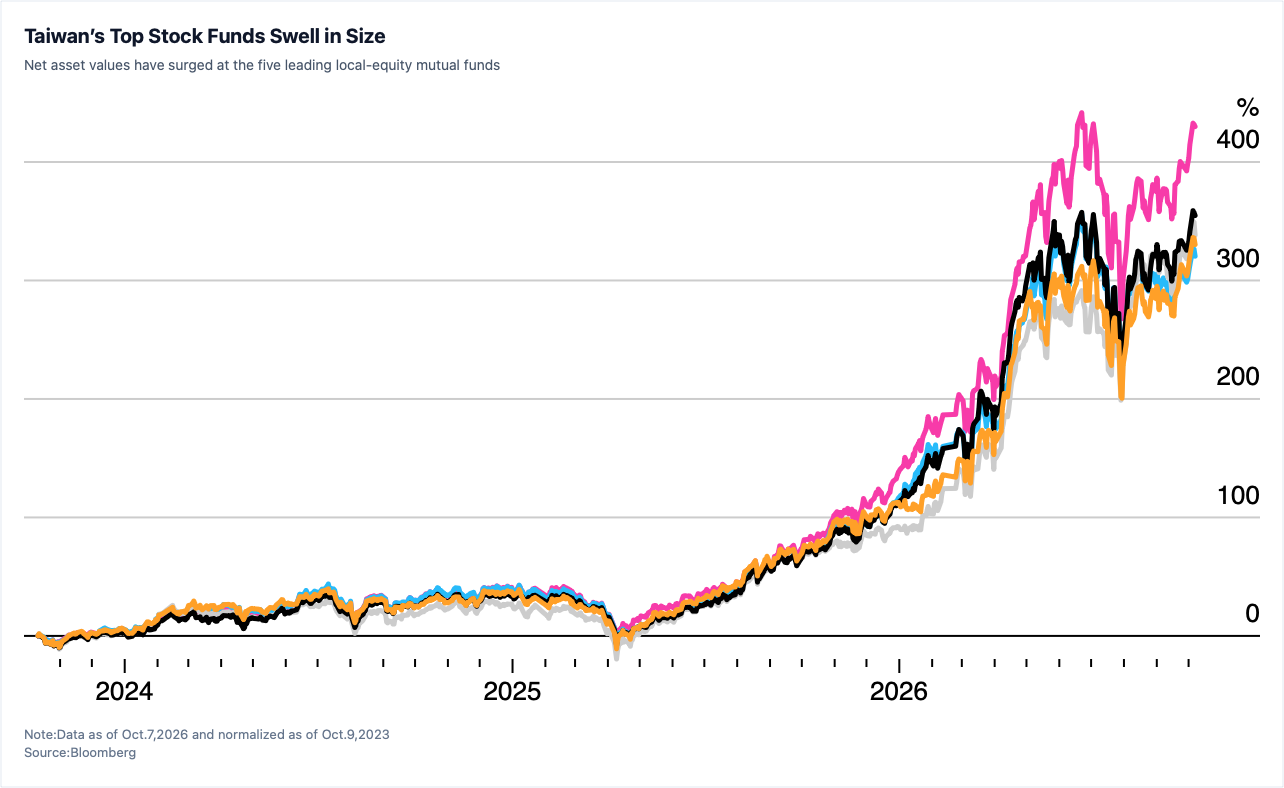
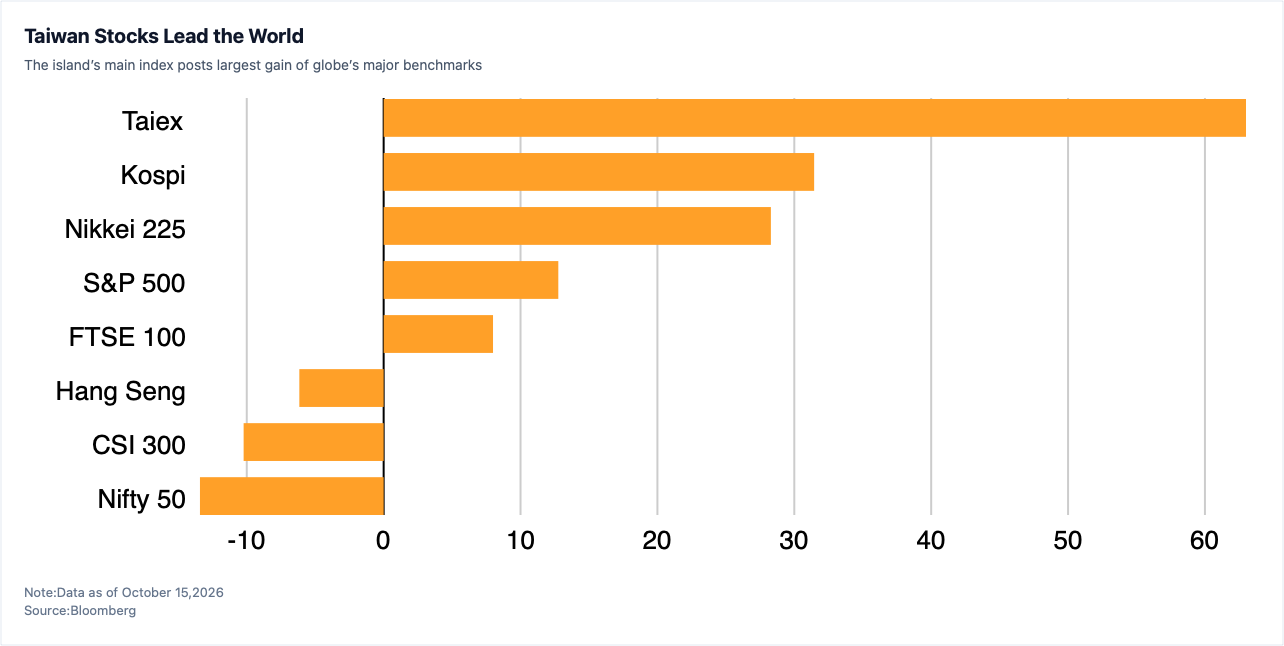
Driven by the artificial intelligence boom, Taiwan's benchmark stock index surged 62% in 2026 to become the world's best-performing major equity gauge, adding approximately $1.8 trillion in market capitalization and seeing many tech and memory stocks more than double. However, fund managers and equity analysts at traditional Taiwanese asset management firms are barred by strict industry codes of conduct from trading individual stocks in their personal accounts. Combined with base salaries that are roughly half of what their Hong Kong counterparts earn, watching the soaring stocks they spent years analyzing enrich only their funds while being unable to profit personally has left many investment professionals with a strong sense of relative deprivation and fear of missing out.
To escape onerous regulatory restrictions and pursue higher financial rewards, a growing number of seasoned portfolio managers and young finance graduates are ditching prestigious traditional financial institutions for less-regulated private investment shops or offshore hedge funds that do not raise money from the public. While traditional asset managers enforce strict personal trading bans and require staff to pass daily security checks and lock away mobile phones and electronics until market close, private investment firms allow employees the freedom to invest their own money, alongside attractive profit-sharing models and faster career progression, enabling many defectors and junior hires to earn vastly more than traditional compensation packages.
This talent drain is severely impacting traditional institutional money managers in Taiwan, stripping them of mid-career team backbones and halving applications for junior roles, which forces both domestic and foreign firms to endure lengthy hiring processes or lower their recruitment standards. Although the local industry association is lobbying the Financial Supervisory Commission to ease restrictions and major foreign managers are offering cross-market opportunities to retain staff, the rapid rise of private investment shops is already reshaping the market landscape, with some generating over NT$10 billion in monthly trading volume, drawing foreign hedge funds seeking local partnerships for supply-chain information advantages, and complicating the government's push to expand the formal asset-management sector.