随著公安等监管部门因担忧影响社会稳定而加强对催收行业的审查与打击,多家催债机构被迫裁员甚至停业,这直接拉低了不良贷款的回收率与处置速度,也促使投资者与资产管理公司在收购不良资产包时转趋谨慎。
监管机构进一步限制资产管理公司仅充当通道角色,加上过去企业不动产不良贷款因房市长期低迷而陷入套牢与亏损的前车之鉴,使业界意识到个人不良贷款的获利与退出难度正日益升高,最终仍高度取决于整体经济周期的走势。
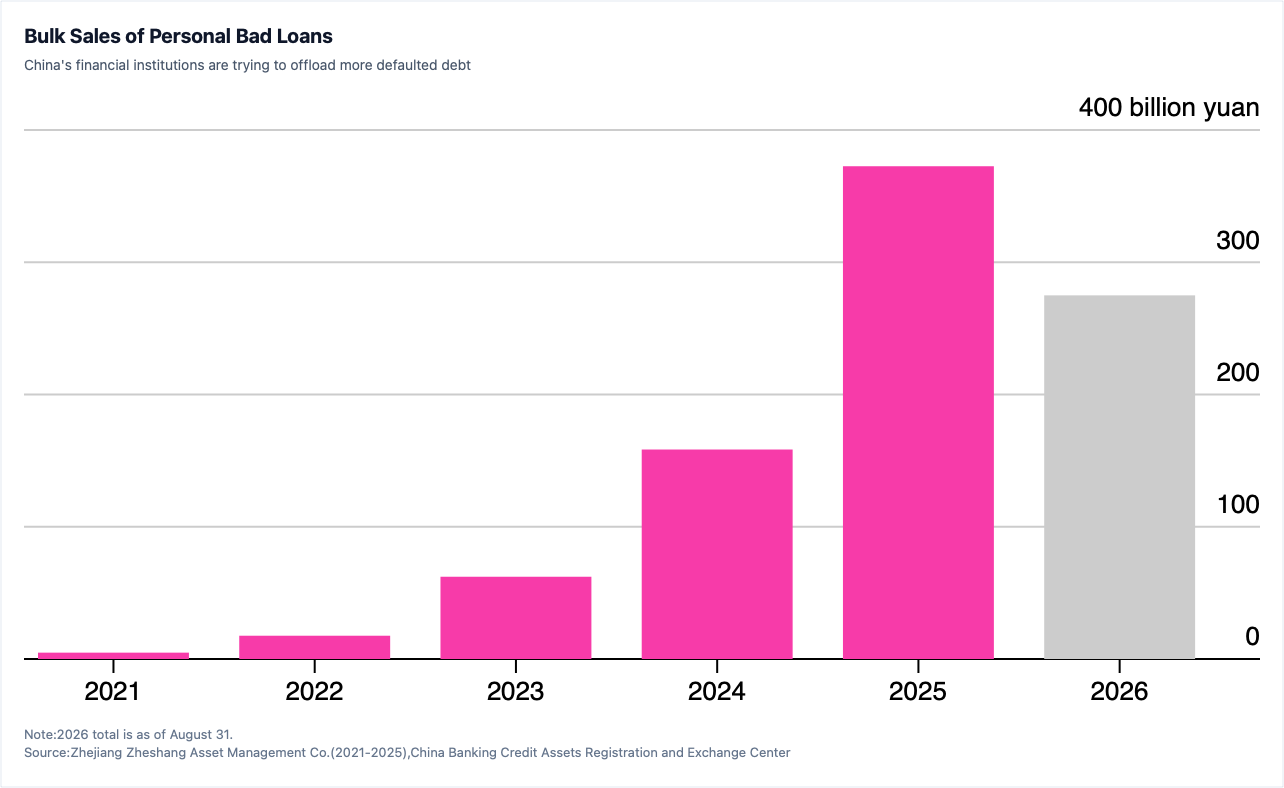
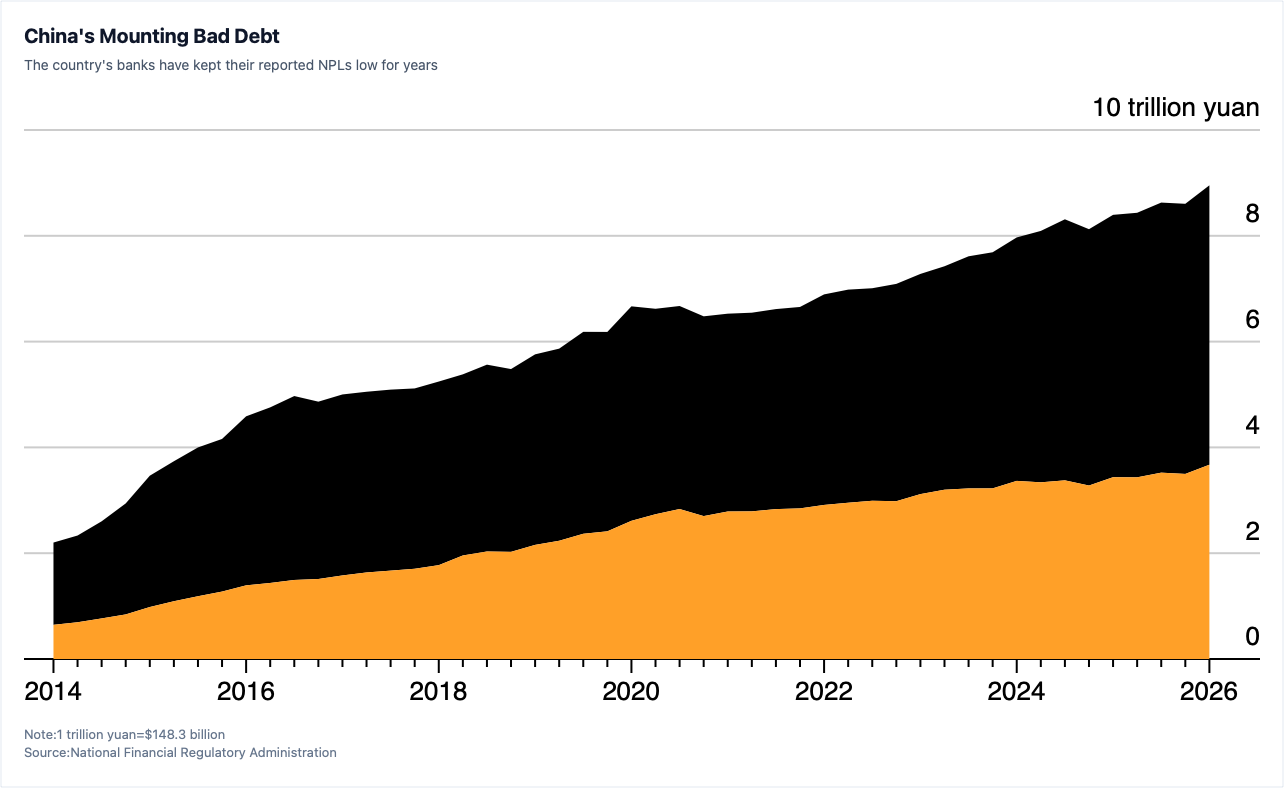
Chinese banks have been aggressively offloading huge volumes of non-performing consumer loans at deep discounts to asset management companies to purge bad debt and curb reported NPL ratios, yet deteriorating household finances and the lack of a nationwide personal bankruptcy framework have made recoveries increasingly difficult.
A regulatory crackdown driven by public security authorities concerned over social stability has forced several debt collection agencies to downsize or shut down, which has dampened recovery rates, slowed resolution efforts, and made distressed-debt investors more cautious about acquiring new non-performing loan portfolios.
With regulators also banning asset management firms from acting as mere pass-through conduits, and haunted by protracted losses from previous property-backed corporate bad loans amid the housing slump, investors now face greater exit risks, making profitability heavily reliant on the broader economic trajectory.