随著具身智慧领域吸引创纪录的风险投资,Scale AI、Encord 与 Xdof 等数据提供商纷纷在全球建立「数据工厂」;为了压低庞大的收集成本,许多机构将目光转向墨西哥、中国及印尼等低成本劳工市场,甚至在印度工厂中让劳工佩戴录影设备,引发了数据品质与劳动伦理层面的质疑与争议。
业界正试图在机器人领域复制大型语言模型的「扩展定律」(Scaling Laws),期望透过喂入数百万小时的影像大幅提升模型表现;然而,诸多专家与部分顶尖新创仍对第三方数据持保留态度,强调内部自建数据的必要性,并指出目前大量挹注于数据搜集的庞大资本,本质上仍是一场尚未保证能够成功的昂贵豪赌。
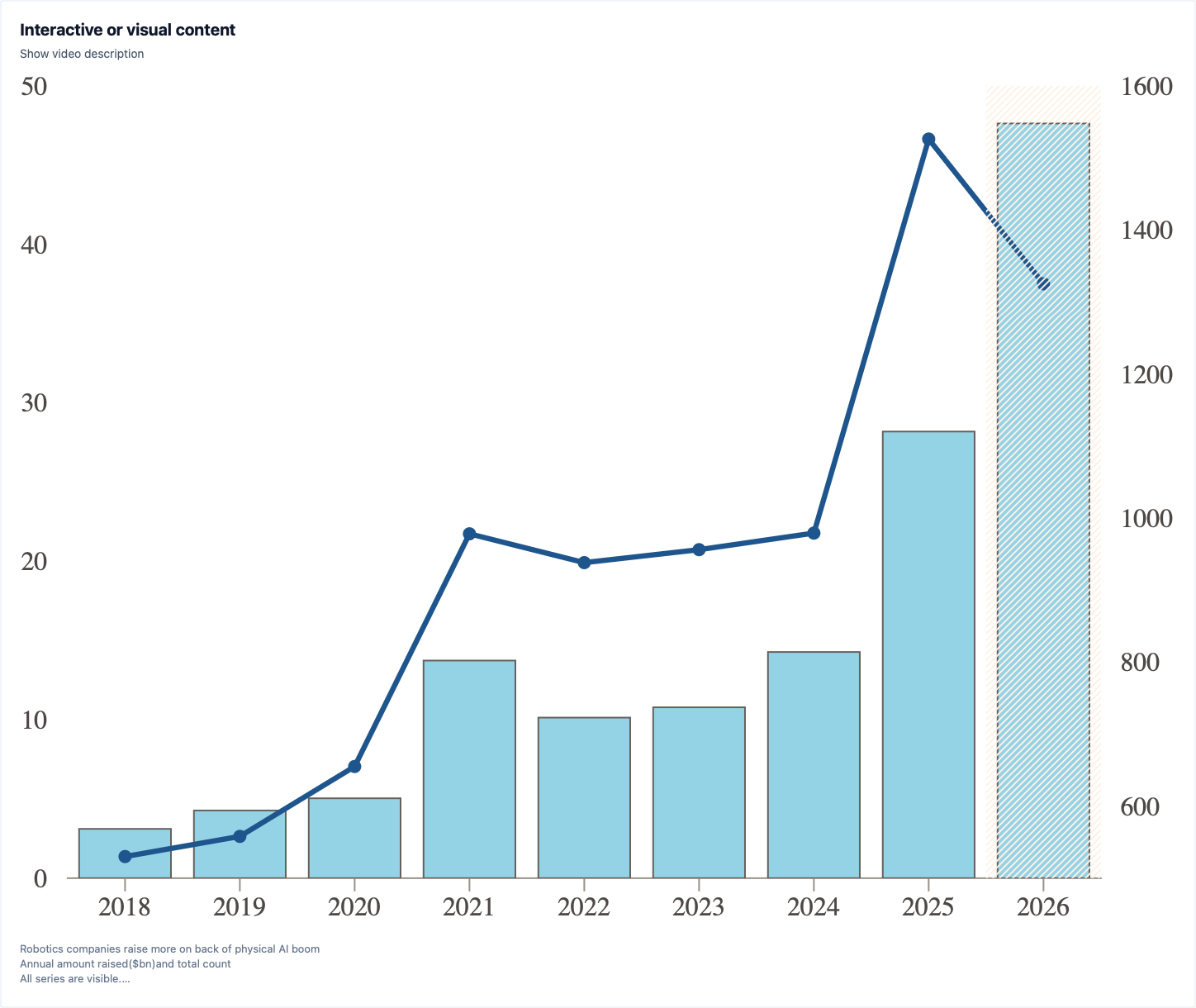
Robotics labs are facing a severe shortage of training data; unlike large language models that readily scraped the internet for text, physical AI requires sensory depth and precise force calculations, prompting startups to spend billions establishing 'robot gyms' with teleoperated arms or deploying recording gear across homes and factories worldwide to capture millions of hours of egocentric task footage.
Driven by record-breaking venture capital in physical AI, data providers such as Scale AI, Encord, and Xdof are opening global 'data factories' in lower-cost labor markets like Mexico, China, and Indonesia to offset high domestic costs, while some operations tap factories in regions like India where workers wear recording equipment without extra pay, raising concerns over quality and labor ethics.
Startups are actively betting that the 'scaling laws' proven by LLMs will hold true for robotics, assuming that ingesting massive amounts of physical video data will steadily improve performance; however, skeptics and selective labs remain wary of third-party datasets, emphasizing meticulous in-house data collection and warning that this multibillion-dollar spending race remains an unproven gamble.