随著全球气候暖化,极端暴雨的发生频率与强度显著增加,干旱地区不能仅将暴雨视为短期恩赐,而必须建立完善的基础设施以安全蓄水,并制定长远的用水优先顺序,而非在短暂获得水源后便立即挥霍。
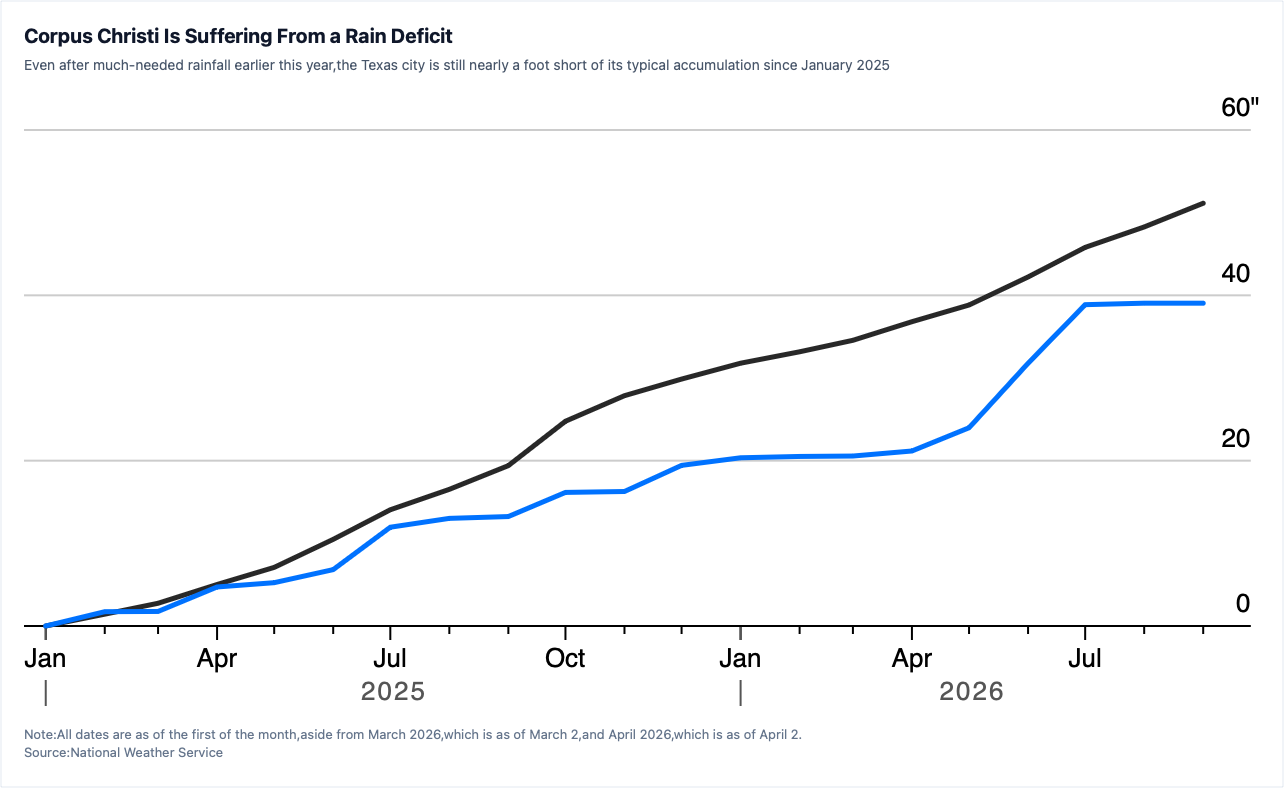
德州科珀斯克里斯蒂市则是管理不当的反面教材,该市在水库水位回升后迅速放宽草坪浇灌限制并延后对三角洲湿地释放淡水,这种短视近利的做法恐将加剧未来的环境污染与水资源危机,显示各地亟需建立健全的长远水资源应对策略。
The Grand Canyon recently received a month's worth of rain in a single day, triggering fatal floods that destroyed trail bridges and water pipelines, ultimately leaving the drought-stricken region with even less usable water. This disaster highlights that without adequate capture and storage infrastructure, sudden massive deluges in arid areas cause more harm than good.
As planetary warming increases the frequency and intensity of heavy downpours, dry regions must prepare by building robust infrastructure to safely collect and store excess rainfall. Communities need to establish clear long-term water management priorities rather than immediately exhausting unexpected surpluses.
Corpus Christi, Texas, exemplifies poor water management by quickly easing lawn-watering restrictions and delaying vital freshwater releases to local wetlands after reservoir levels rose, risking worse environmental and financial crises ahead and underscoring the urgent need for sustainable long-term water planning.